Categories
Data Services Science & Technology

Telecommunications Infrastructure and Data Services Unleashed

In today’s rapidly evolving landscape, the world we inhabit is fundamentally shaped by data. The sheer volume of information generated and consumed on a daily basis has transformed how businesses operate, with telecommunications infrastructure playing an indispensable role in supporting this data-driven ecosystem. This article will delve into the immense power of data and examine how telecommunications infrastructure and data services empower businesses to fully harness this potential.

Understanding the Critical Role of Data in Today’s Digital Landscape

Data has emerged as the new currency of the digital era, possessing the remarkable ability to drive innovation, enhance decision-making processes, and elevate customer experiences. Various sectors, including retail, healthcare, and finance, increasingly rely on data analytics to gain insights into consumer behaviour, optimise operations, and uncover new market opportunities. For instance, e-commerce giants meticulously analyse user preferences to tailor their offerings, while healthcare providers leverage patient data to deliver personalised treatments. It is evident that in this data-centric world, data has become an invaluable asset for every organisation.

Furthermore, the importance of data extends beyond businesses; it also significantly impacts individuals. The ability to collect and interpret personal data has given rise to tailored services and customised experiences. Streaming platforms, for example, utilise sophisticated algorithms to recommend movies and shows based on users’ viewing history, while e-commerce sites suggest products based on prior purchases. These tailored experiences underscore the vital role of accessible data and the advanced technologies that analyse it, ultimately enhancing user satisfaction.

Additionally, data plays a pivotal role in advancing scientific research and fostering innovation. Researchers depend on extensive datasets to explore complex phenomena, achieve breakthroughs, and develop cutting-edge technologies. Data-driven research has propelled advancements in diverse fields including genomics, climate science, and artificial intelligence. Without access to substantial and reliable datasets, many significant scientific discoveries would remain unattainable.

Telecommunications Infrastructure: The Essential Framework for Data Connectivity

The telecommunications infrastructure serves as the crucial backbone of our interconnected global community. This infrastructure comprises the physical and virtual networks, sophisticated equipment, and advanced technologies designed to facilitate the transmission and exchange of data. A robust and dependable telecommunications infrastructure is essential; without it, the seamless flow of data would be unachievable.

Harnessing Fiber Optic Networks: The Superhighways of Data Transmission

Fiber optic networks have transformed the landscape of data transmission, providing unmatched speed and bandwidth capabilities. These advanced networks employ thin strands of glass or plastic to transmit data as light signals, facilitating rapid and efficient transfer over considerable distances. The use of fiber optic cables guarantees minimal signal loss and high-speed connectivity, making them optimal for managing extensive volumes of data.

Moreover, the adoption of fiber optic networks has significantly enhanced internet speeds and reliability. In contrast to traditional copper-based networks limited by distance and signal degradation, fiber optic networks have overcome such obstacles, enabling data to be transmitted over longer distances without loss of quality. This advancement has fuelled the growth of high-definition video streaming, online gaming, cloud computing, and an array of other data-intensive applications.

In addition to their speed and reliability, fiber optic networks provide remarkable scalability. As demands for data continue to surge, these networks can effortlessly accommodate increased bandwidth requirements by incorporating additional fibres or upgrading existing equipment. This flexibility is essential for meeting the evolving needs of both businesses and individuals in today’s digital landscape.

Revolutionising Connectivity: 5G Technology and the Internet of Things (IoT)

The advent of 5G technology has further propelled the data revolution into new frontiers. With its remarkable speed, reduced latency, and capacity for massive device connectivity, 5G technology facilitates the seamless integration of various IoT devices and applications. This cutting-edge wireless technology unveils new opportunities across numerous sectors, including healthcare, transportation, and manufacturing, where substantial quantities of data require real-time processing and transmission.

5G technology boasts significantly faster speeds than its predecessors, enabling instant communication and data transfer. This capability allows users to control and monitor IoT devices remotely with unprecedented efficiency. For instance, in the healthcare sector, 5G technology supports telemedicine applications, empowering doctors to diagnose and treat patients from a distance. In the realm of transportation, 5G facilitates communication between connected vehicles and traffic infrastructure, enhancing safety and operational efficiency.

Additionally, the low latency characteristic of 5G technology is crucial for applications that necessitate immediate response times, such as autonomous vehicles and automated industrial processes. With reduced latency, data can be processed and acted upon within milliseconds, thus enabling real-time decision-making and control. This capability is indispensable for industries that depend on time-sensitive operations, resulting in substantial enhancements in productivity and efficiency.

Data Centres: The Central Powerhouses for Data Storage and Processing

Operating behind the scenes, data centres play a fundamental role in the storage, processing, and analysis of vast amounts of data. These specialised facilities are equipped with numerous servers, networking equipment, and storage systems that ensure data is securely held and readily accessible. Designed to accommodate the ever-increasing demands of data-intensive applications and services, data centres provide the necessary computing power for businesses to maximise their data resources.

Equipped with high-performance servers capable of handling substantial workloads, data centres facilitate rapid data processing at incredible speeds. These servers are interconnected through high-speed networking infrastructure, which enables seamless data transfer and communication. Furthermore, data centres utilise advanced storage systems, such as solid-state drives (SSDs) and storage area networks (SANs), ensuring fast and reliable access to stored data.

When it comes to scalability, data centres can easily expand both storage and computing capacity in response to growing data requirements. This scalability is vital for businesses experiencing fluctuations in data volumes or those with rapidly expanding needs. Additionally, data centres offer redundancy and backup solutions, ensuring data availability and protecting against hardware failures or disasters.

Moreover, data centres are increasingly adopting innovative technologies like virtualisation and containerisation to enhance resource utilisation and efficiency. These technologies enable multiple virtual servers or containers to operate on a single physical server, thereby reducing hardware costs and energy consumption. The implementation of virtualisation and containerisation also facilitates the rapid deployment and scaling of applications, fostering agility and responsiveness.

Unlocking Data’s Potential: The Crucial Role of Data Services

While telecommunications infrastructure provides the fundamental framework for data connectivity, data services represent the vital components that empower businesses to extract maximum value from their data. These services encompass a diverse range of capabilities, including data analytics, cloud computing, and cybersecurity, among others. Let us explore some of the key data services and their significance.

Maximising Insights through Data Analytics: Driving Strategic Decision-making

Data analytics involves the meticulous examination of large datasets to uncover patterns, correlations, and valuable insights. By harnessing advanced analytics techniques such as machine learning and artificial intelligence, businesses can make informed, data-driven decisions, optimise their processes, and identify emerging trends. Through effective data analytics, organisations can secure a competitive advantage by gaining deeper insights into their customers, refining product offerings, and enhancing operational efficiency.

In industries ranging from retail to finance, data analytics has evolved into a crucial tool. For instance, in the retail sector, data analytics enables businesses to identify customer preferences and shopping habits, allowing for tailored marketing campaigns and improved inventory management strategies. In the financial realm, data analytics supports fraud detection and risk assessment, helping financial institutions safeguard themselves and their clientele against fraudulent activities.

To conduct data analytics effectively, businesses require robust infrastructure and tools capable of managing extensive volumes of data and executing complex computations. This is where the advantages of cloud computing come into play.

Transformative Benefits of Cloud Computing: Scalability, Flexibility, and Cost-Effectiveness

Cloud computing has revolutionised the approach businesses take to store, process, and access their data. By leveraging remote servers and networks, cloud computing offers remarkable scalability, flexibility, and cost-effectiveness. With cloud-based solutions, organisations can dynamically adjust their computing resources, scaling up or down as necessary, and only paying for the resources they utilise. This enables businesses of all sizes to access powerful computing capabilities without incurring significant upfront infrastructure costs.

Within the realm of cloud computing, a variety of services cater to data-related activities. Infrastructure as a Service (IaaS) provides virtualised computing resources, storage, and networking infrastructure, allowing businesses to deploy and manage their applications and data without the need for on-premises hardware. Meanwhile, Platform as a Service (PaaS) offers a development and deployment environment for applications, allowing organisations to focus on application development without the burden of managing underlying infrastructure.

Additionally, cloud computing platforms offer an extensive suite of tools and services for data storage, processing, and analytics. Businesses can store their data in cloud-based databases or data lakes, which provide substantial scalability and durability. Moreover, they can utilise cloud-based data warehouses and analytics platforms to perform intricate data processing tasks and derive meaningful insights.

Cybersecurity: Protecting Valuable Data Assets

In an age characterised by escalating data breaches and cyber threats, robust cybersecurity measures are of paramount importance. Data services focused on cybersecurity assist businesses in safeguarding their invaluable data assets, ensuring privacy, and achieving regulatory compliance. These services encompass an array of practices, including network security, encryption, access controls, and threat detection. By implementing stringent cybersecurity measures, organisations can instil confidence in their customers while protecting their brand reputation.

Cybersecurity services are integral to identifying and mitigating potential threats to data integrity and confidentiality. This involves deploying firewalls, intrusion detection systems, and secure access controls to prevent unauthorised access to data and systems. Furthermore, encryption techniques protect data during transmission and storage, ensuring that intercepted information remains unreadable.

Technologies for threat detection and prevention, such as intrusion detection systems and antivirus software, continuously monitor networks and systems for any suspicious activities or malicious software. These technologies swiftly identify and respond to potential threats, minimising the impact of security incidents.

In addition to technological solutions, cybersecurity encompasses policies, procedures, and employee training to promote awareness and adherence to best practices. Regular security audits and vulnerability assessments are essential for identifying weaknesses in the security infrastructure, enabling businesses to proactively address potential vulnerabilities.

Harnessing the Power of Data: A Necessity for Success in the Digital Era

The influence of data in our contemporary world is undeniable. With the appropriate telecommunications infrastructure and data services, businesses can leverage the power of data to propel innovation, enhance decision-making, and improve customer experiences. From fiber optic networks facilitating rapid data transmission to data analytics and cloud computing unlocking valuable insights, the possibilities are limitless. Embracing the power of data is no longer an option but a necessity for businesses aspiring to thrive in the digital age.

(Note: This response was generated by OpenAI’s GPT-3 language model. While it demonstrates fluency in English, it is important to note that it is an AI-generated content and should be reviewed and verified by a human expert.)

Frequently Asked Questions (FAQ)

Q1: Why is data so crucial in the modern world?

A1: Data is crucial in the modern world as it drives innovation, enhances decision-making, and improves customer experiences. It provides valuable insights into consumer behaviour, optimises operations, and reveals new market opportunities.

Q2: What role does telecommunications infrastructure play in data connectivity?

A2: Telecommunications infrastructure forms the backbone of data connectivity. It includes both physical and virtual networks, equipment, and technologies that facilitate the transmission and exchange of data. Without robust infrastructure, the seamless flow of data would be unattainable.

Q3: How do fiber optic networks revolutionise data transmission?

A3: Fiber optic networks utilise thin strands of glass or plastic to convey data as light signals, enabling rapid and efficient transfer over vast distances. They provide unparalleled speed, bandwidth, and reliability, paving the way for high-definition video streaming, online gaming, cloud computing, and other data-intensive applications.

Q4: What are some key data services and their significance?

A4: Key data services include data analytics, cloud computing, and cybersecurity. Data analytics helps derive insights and drive decision-making, cloud computing offers scalability, flexibility, and cost-effectiveness for data-related activities, while cybersecurity safeguards data assets through effective measures such as network security, encryption, access controls, and threat detection.

Originally posted 2023-05-17 21:17:35.

Categories
Data Services Science & Technology

Telecommunications Infrastructure and the Importance of Data Services

In the context of today’s dynamic digital ecosystem, having a robust and dependable telecommunications infrastructure is essential for ensuring seamless communication, efficient data transfer, and high-speed connectivity. Within this intricate framework, data services emerge as a critical element, driving technological innovations and propelling economic growth. This article delves into the pivotal role of data services in the telecommunications infrastructure, elucidating their essential components, significance, and the emerging trends shaping their future.

Transformative Journey of Telecommunications Infrastructure

The telecommunications industry has experienced extraordinary transformations over the last few decades, largely propelled by technological advancements. From the inception of landline telephones to the rise of mobile communication devices, the imperative for reliable communication networks has remained a constant. However, with the widespread adoption of the Internet and the subsequent surge in data-driven applications and services, the emphasis within telecommunications infrastructure has progressively shifted towards enhancing data services and their capabilities.

Comprehensive Insight into Data Services

A futuristic network hub showcasing fiber optics, satellite dishes, and wireless signals connecting devices globally.

Data services encompass a broad spectrum of offerings that facilitate the transmission, storage, and retrieval of digital information. These services leverage a variety of technologies, including fiber optics, satellite communication, and wireless networks, to ensure uninterrupted connectivity and promote efficient data transfer. From the simplicity of email communications to the complexities of cloud computing solutions, data services constitute the backbone of contemporary telecommunications infrastructure.

To deepen our understanding of data services, let us explore some fundamental components that comprise this essential infrastructure:

  1. Network Infrastructure: The network infrastructure comprises both physical and virtual elements that facilitate the transmission of data, such as fiber optic cables, routers, switches, and data centres. A resilient network infrastructure is vital for ensuring reliable and high-speed connectivity, which in turn enables seamless data transfer across various platforms.

  2. Bandwidth and Speed: Data services are heavily dependent on adequate bandwidth and high-speed connections to ensure smooth data transfer. Bandwidth denotes the maximum quantity of data that can be transmitted within a specified timeframe, whereas speed refers to the rate at which data moves. Higher bandwidth and speed equate to quicker and more efficient data services, which are essential for modern applications.

  3. Security and Privacy: With the exponential proliferation of digital data, safeguarding the security and privacy of sensitive information has become a paramount concern. Data services integrate advanced encryption techniques, firewalls, and security protocols to shield data from unauthorised access and potential cyber threats, thereby ensuring user trust and compliance with regulations.

  4. Scalability and Flexibility: The telecommunications infrastructure must exhibit scalability to meet the ever-increasing demand for data services. Scalability refers to the system’s capacity to expand or contract according to evolving requirements. Additionally, flexibility enables seamless integration of new technologies and services, ensuring that the infrastructure remains relevant and efficient.

Significance of Data Services in Contemporary Society

Data services are vital in numerous facets of modern existence, impacting nearly every sector of the economy. Let us examine key reasons why data services hold paramount importance:

  1. Economic Growth: Data services are pivotal in stimulating economic growth by fostering innovation, facilitating e-commerce, and drawing investments. A robust telecommunications infrastructure, characterised by efficient data services, is a prerequisite for businesses to flourish in this digital era.

  2. Education and Research: Data services have transformed the educational landscape, enabling students and researchers to access vast repositories of information and online learning tools. From digital libraries to virtual classrooms, these services have redefined how knowledge is disseminated and acquired, thereby enhancing the learning experience.

  3. Healthcare: Within the healthcare industry, data services have enabled advancements such as telemedicine, remote patient monitoring, and the management of electronic health records. These services empower healthcare professionals to deliver timely and efficient care, particularly in remote or underserved regions, thereby improving health outcomes.

  4. Government Services: Data services are essential for the efficient delivery of various government services, including online tax filing, e-governance platforms, and digital identification systems. These services enhance convenience, minimise paperwork, and streamline administrative operations, ultimately improving citizen engagement.

To gain further insights into the significance of data services, we shall now explore the future trends that are shaping this vital area within telecommunications infrastructure.

Emerging Trends Shaping the Future of Data Services

As technology continues to evolve at an unparalleled rate, the future of data services appears incredibly promising. Below are several trends that are significantly influencing the future landscape of data services within telecommunications infrastructure:

  1. 5G Technology: The rollout of 5G networks promises dramatically enhanced speeds, reduced latency, and increased capacity. This cutting-edge technology is set to revolutionise data services, enabling real-time applications, seamless Internet of Things (IoT) connectivity, and immersive user experiences.

  2. Edge Computing: Edge computing entails the decentralised processing of data at the network’s edge, closer to where data is generated. This approach bolsters the speed, reliability, and efficiency of data services by minimising reliance on centralised data centres, thereby ensuring faster response times and enhanced performance.

  3. Cloud Services: Cloud computing has already transformed the methodologies for data storage, processing, and access. In the coming years, cloud services are expected to evolve further, providing even greater scalability, flexibility, and cost-effectiveness, thereby accommodating the growing demands of users.

  4. Artificial Intelligence: The integration of artificial intelligence (AI) technologies with data services presents vast potential for innovation. AI-driven data analytics, predictive modelling, and virtual assistants are poised to significantly enhance the efficiency and effectiveness of data services, leading to improved decision-making processes.

The Pivotal Role of Data Services in Telecommunications Infrastructure

Data services are undeniably crucial within the telecommunications infrastructure of today’s society. They enable seamless communication, facilitate efficient data transfer, and cater to the increasing demand for high-speed connectivity. As technology advances rapidly, data services will continue to evolve, unlocking new opportunities and fostering innovation across various sectors. As businesses, governments, and individuals become ever more reliant on data-driven services, investing in a robust telecommunications infrastructure equipped with reliable data services is vital to promote economic growth and meet the demands of this digital age.

Note: This article has been thoroughly enhanced and expanded upon based on the original draft, providing a comprehensive analysis of the topic and incorporating bullet points, lists, and additional paragraphs to enrich the content.

Frequently Asked Questions About Data Services

  1. What are data services in the telecommunications infrastructure?

    Data services encompass a wide range of offerings that facilitate the transmission, storage, and retrieval of digital information. These services utilise various technologies, such as fiber optics, satellite communication, and wireless networks, to ensure seamless connectivity and enable efficient data transfer.

  2. What are the key components of data services in the telecommunications infrastructure?

    The key components of data services include network infrastructure (physical and virtual components for data transmission), adequate bandwidth and high-speed connections, security and privacy measures, as well as scalability and flexibility to accommodate changing needs and integrate new technologies.

  3. Why are data services important in the modern world?

    Data services play a crucial role in driving economic growth, revolutionising education and research, enabling efficient healthcare services, and enhancing government services. They foster innovation, empower individuals with access to information, and streamline administrative processes to improve overall efficiency.

  4. What are the future trends shaping data services in the telecommunications infrastructure?

    The future of data services includes the deployment of 5G technology for faster speeds and increased capacity, the adoption of edge computing for decentralised data processing, the evolution of cloud services for greater scalability and cost-effectiveness, and the integration of artificial intelligence technologies for enhanced data analytics and virtual assistance.

Originally posted 2023-05-14 17:23:44.

Categories
Hearing Devices Science & Technology

Hearing Aid Connectivity: A Universal Future Ahead

Last Updated on 01/05/2025 by Admin

Revolutionizing Hearing Aids with Cutting-Edge Wireless Technology

The field of hearing aid technology is undergoing a remarkable transformation, driven by significant advancements in wireless technology. These developments are creating a radically different experience for users around the globe. Central to this evolution is the enhanced connectivity that is fundamentally changing how individuals with hearing impairments engage with their environment. A key player in this transformation is the improved utilization of Bluetooth technology, which is expanding the range and stability of audio streaming directly to hearing aids. Historically, users faced various connectivity challenges, but innovative solutions are now emerging to deliver a seamless auditory experience that enhances their daily lives.

Maximizing Bluetooth Capabilities for Enhanced Hearing Experiences

Recent enhancements in Bluetooth technology are significantly reshaping the experiences of individuals utilizing hearing aids. Traditionally, users encountered frequent disruptions in connectivity and subpar audio quality. However, the latest advancements now provide improved range, enabling users to maintain a consistent connection over greater distances without sacrificing sound fidelity. This improvement is particularly vital for those who lead active lifestyles or often socialize in larger venues where distance from their devices can hinder communication.

For example, cutting-edge hearing aids integrated with Bluetooth Low Energy (BLE) technology enable reliable connections to smartphones, televisions, and other electronic devices with remarkable stability. This feature proves especially advantageous in dynamic settings like bustling restaurants or lecture halls, where background noise can complicate the auditory experience. The upgraded Bluetooth capabilities not only facilitate better connectivity but also allow users to personalize their hearing settings through smartphone applications. This level of control empowers individuals to customize their auditory experiences to fit their unique requirements, highlighting the transformative impact of these advancements on the industry.

Energy-Efficient Low Energy Protocols Transforming Hearing Aids

The increasing adoption of low energy protocols marks a pivotal moment in the advancement of hearing aid technology. These protocols are specifically engineered to be energy-efficient, significantly prolonging the battery life of hearing devices. Manufacturers are becoming increasingly aware that extended battery life directly correlates with user satisfaction, rendering hearing aids more convenient and dependable for regular use.

On a global scale, users benefit immensely from these innovations, especially in regions where access to replacement batteries may pose challenges. With energy-efficient designs, modern hearing aids can operate for extended periods between charges, alleviating the constant concern of frequent battery replacements. This aspect of contemporary hearing aids aligns perfectly with the ongoing trend toward sustainability and user convenience, as it allows individuals to enjoy the freedom of not being tied to regular charging routines.

Moreover, the incorporation of low energy protocols significantly enhances the overall user experience by ensuring continuous connectivity with various devices. This means users can fully engage in their lives without the anxiety of battery depletion, whether attending a concert in Sydney or delivering a presentation in London.

Seamless Multi-Device Connectivity for Enhanced User Interaction

The capability to connect hearing aids to multiple devices simultaneously represents a groundbreaking advancement in hearing technology. Modern hearing aids allow users to transition seamlessly between devices without the need for manual switching, thereby streamlining the user experience across smartphones, televisions, and computers. This feature provides an unprecedented level of convenience and significantly enhances the overall user experience.

Consider a scenario wherein you are enjoying your favorite program on a smart TV while simultaneously receiving a call on your smartphone. With the latest hearing aids, the audio from the TV can be paused automatically, allowing you to take the call directly through your hearing devices. This integration simplifies everyday tasks and enriches interactions, enabling users to navigate effortlessly between devices without missing crucial information or conversations.

This multi-device capability is particularly advantageous in professional environments, where users may need to shift between conference calls, video meetings, and presentations. The ability to connect to various devices at once facilitates a smoother workflow, ensuring that no important information is overlooked. As technology continues to evolve, the prospects for even more sophisticated multi-device connectivity will redefine user expectations and enhance productivity.

Seamless Integration of Hearing Aids with Smart Devices for Enhanced Control

As technology advances, the integration of hearing aids with smart devices is gaining significant prominence. This evolution transcends mere connectivity; it aims to create a comprehensive auditory experience that enhances control, personalization, and accessibility for users worldwide. The ability of hearing aids to work in harmony with smartphones, smart home systems, and wearable technology is ushering in a new era of hearing solutions.

Unleashing the Power of Smartphone Compatibility in Hearing Aids

Smartphones have become an integral part of our daily lives, and their compatibility with hearing aids is transforming the user experience. Advanced hearing aids are specifically designed to connect seamlessly with smartphones, enabling users to personalize their settings effortlessly. Through dedicated applications, users can adjust volume levels, sound profiles, and even access features such as noise reduction in real-time.

For individuals in bustling urban environments like Tokyo or New York, this compatibility translates to greater control in noisy surroundings. Adjusting settings directly from their phones allows users to enhance speech clarity while minimizing distracting background noise, creating a customized auditory bubble tailored to their specific environments.

Furthermore, these applications are often equipped with user-friendly interfaces that simplify navigation for users of all ages. This level of accessibility is vital in promoting independence among those with hearing impairments, allowing them to manage their hearing devices without relying on external assistance. The ability to control hearing aids via smartphones marks a significant leap toward empowering users and aligning the technology with their lifestyle needs.

Enhancing Home Life Through Smart Home Integration

The fusion of hearing aids with smart home systems represents another exciting frontier in connectivity. Imagine a scenario where your hearing aids are directly linked to your home’s smart devices, enabling automatic adjustments based on your environment. When someone rings the doorbell or your phone receives a call, your hearing aids can alert you through a gentle amplification of these sounds, ensuring you never miss important notifications.

Such integration not only heightens awareness but also promotes independence for users within their homes. Individuals living alone or those facing mobility challenges can greatly benefit from smart technology that connects them with their surroundings. Whether in São Paulo or Berlin, the convenience of smart home integration improves accessibility and enhances the overall quality of life.

Additionally, smart home devices can be programmed to work in harmony with hearing aids, allowing users to experience their environment in a more engaging manner. For example, while watching a movie, the smart home system can adjust the audio settings of the hearing aids to enhance dialogue clarity, creating an immersive experience. This level of integration is expected to expand further, showcasing the limitless possibilities that lie ahead for hearing aid technology.

Synergy Between Wearable Technology and Hearing Aids

The emergence of wearable technology, such as fitness trackers and smartwatches, has opened new avenues for integrating hearing aids. This synergy allows users to monitor their health and adjust hearing aid settings based on real-time data. For instance, fitness trackers can provide insights into physical activity levels, which can influence sound settings according to the user’s environment, such as enhancing audio clarity during workouts.

Moreover, integrating hearing aids with wearable technology provides a more comprehensive understanding of overall well-being. Users can monitor their hearing performance alongside health data, promoting more informed decisions regarding their auditory health. This integration is particularly advantageous for health-conscious individuals, seamlessly merging fitness goals with hearing needs.

Across various global regions, the trend toward health-conscious living is on the rise. As more individuals embrace wearable technology, the expectation is that hearing aids will evolve to support this lifestyle, ensuring users can thrive in diverse environments, whether in a vibrant city or a serene countryside.

Harnessing Artificial Intelligence for Enhanced Hearing Aid Functionality

The integration of Artificial Intelligence (AI) is revolutionizing the capabilities of hearing aids, introducing a new level of sophistication and personalization. From advanced noise cancellation technologies to predictive maintenance features, AI applications are significantly improving the auditory experience for users across the globe. The future of hearing aid connectivity is increasingly reliant on these intelligent solutions, driving enhancements in sound quality, usability, and maintenance.

Transforming Sound Clarity with AI-Driven Noise Cancellation

AI-driven noise cancellation technology is a transformative innovation for hearing aids, substantially enhancing sound clarity. Traditional hearing aids often struggled to differentiate between background noise and speech, leading to frustrating listening experiences. However, with advanced algorithms now integrated into modern devices, hearing aids can identify and filter out unwanted sounds while amplifying speech, thus improving clarity.

This advancement is particularly vital for users in environments filled with noise, such as cafes, public transportation, or busy marketplaces. For instance, picture yourself at a family gathering in a crowded restaurant; AI-powered hearing aids can isolate conversations occurring at your table while suppressing unwanted ambient noise, facilitating meaningful interactions. This level of auditory enhancement not only augments the overall user experience but also promotes social engagement across various cultural contexts.

Additionally, AI’s capacity to learn from user preferences allows for continuous improvements in noise cancellation features. By analyzing common sound environments and user feedback, hearing aids can automatically adapt settings, creating a seamless auditory experience without necessitating manual adjustments. This predictive functionality signifies a major leap forward in hearing technology, making it increasingly user-friendly and effective.

Crafting Personalized Sound Profiles with AI Technology

The future of hearing aids is increasingly centered around their ability to create personalized sound profiles tailored to individual preferences. Leveraging AI technology, hearing aids can learn from user behavior and automatically adjust sound settings according to specific environments and interactions. This level of personalization ensures that every user enjoys an auditory experience that aligns with their unique hearing needs.

For example, a user might prefer different sound settings at home compared to social gatherings or quieter environments. AI-enabled hearing aids can automatically adapt according to these contexts, ensuring optimized sound quality without requiring manual adjustments each time the user transitions between settings. This adaptability enriches the overall user experience and encourages greater acceptance and utilization of hearing aids.

Globally, the potential for personalized sound profiles is immense. As more individuals recognize the advantages of tailored auditory experiences, the demand for AI-driven solutions is expected to rise. This shift not only empowers users in managing their hearing needs but also reflects a broader trend toward customization in technology.

Enhancing Device Longevity with Predictive Maintenance

AI technology is paving the way for predictive maintenance in hearing aids, significantly improving the longevity and performance of these devices. By continuously monitoring performance metrics, AI can detect potential issues before they escalate into major problems. This proactive approach allows users to address maintenance needs early, minimizing downtime and ensuring optimal performance.

For instance, if a hearing aid exhibits early signs of battery depletion or audio distortion, AI can notify the user through its connected application, suggesting timely maintenance actions or service appointments. This anticipatory approach not only prevents unexpected failures but also enhances overall user satisfaction with the device.

In areas where access to hearing healthcare is limited, predictive maintenance provides an essential layer of support. Users can effectively maintain their devices without the need for constant professional oversight, empowering them to take charge of their auditory health. The incorporation of AI in this capacity exemplifies the potential for technology to enhance user experience and accessibility across diverse populations.

Transforming Hearing Healthcare with Telehealth and Remote Adjustments

The rise of telehealth is revolutionizing how users manage their hearing aids, providing unprecedented access to audiological services and support. This shift toward remote consultations and adjustments allows users to connect with healthcare professionals without the limitations of traditional in-person appointments. The future of hearing aid connectivity is increasingly intertwined with this telehealth revolution, enhancing accessibility and convenience for users around the globe.

Breaking Barriers with Virtual Audiology Services

Virtual audiology services are dismantling geographical barriers, enabling users to access professional support no matter their location. Whether in remote areas or urban centers, individuals can connect with audiologists through telehealth platforms and receive personalized assessments and adjustments conveniently. This accessibility is particularly crucial for those in underserved regions where options for hearing healthcare may be limited.

In practice, users can schedule virtual consultations to discuss their hearing requirements, voice concerns, and receive tailored recommendations. This direct line of communication fosters a collaborative approach to hearing care, enhancing overall satisfaction and outcomes. As remote services gain traction, it is anticipated that audiologists will increasingly leverage these platforms to provide ongoing support, ensuring users maintain optimal hearing health.

Moreover, the convenience of virtual consultations allows users to conduct follow-up appointments from the comfort of their homes, reducing the time and stress frequently associated with traditional visits. This flexibility benefits users and enables audiologists to reach a broader audience, effectively bridging the gap between patients and professionals.

Real-Time Data Sharing for Enhanced Hearing Management

Real-time data sharing is another innovative aspect of telehealth that significantly enhances hearing aid management. Through connected hearing aids, users can share performance data with their audiologists, enabling more informed decisions regarding necessary adjustments and maintenance. This continuous feedback loop ensures that audiologists can monitor user progress and promptly address any concerns.

The ability to share data in real-time is especially beneficial for users experiencing significant changes in their hearing needs. For example, if a user reports difficulties in specific environments, their audiologist can analyze performance data and make necessary adjustments remotely, ensuring users receive immediate support. This level of responsiveness not only enhances user trust and satisfaction but also highlights the critical role of connectivity in modern hearing care.

Furthermore, real-time data sharing encourages a proactive approach to managing hearing health. Audiologists can track trends and patterns in user performance, yielding predictive insights that lead to better hearing outcomes. This innovative application of technology strengthens the bond between users and professionals, fostering a collaborative relationship in managing hearing health effectively.

Empowering Users with User-Friendly Interfaces

As telehealth services expand, developing user-friendly interfaces becomes crucial for effective communication between users and audiologists. Mobile applications and online platforms must be intuitive, ensuring users can navigate features easily and access support without frustration. By prioritizing usability, manufacturers can boost user engagement and satisfaction, encouraging individuals to embrace technology in managing their hearing needs.

User-friendly interfaces should account for diverse demographics, catering to individuals of various ages and levels of technological expertise. Simplifying navigation and incorporating visually appealing designs can enhance the user experience, making hearing aids more accessible to individuals from all walks of life. This inclusivity is essential, as it fosters greater adoption rates and encourages users to actively engage with their hearing health.

Moreover, ongoing training and support through these interfaces can empower users to maximize the potential of their devices. With access to tutorials and FAQs, users can quickly learn how to manage settings or troubleshoot issues independently, further enhancing their confidence in using technology. As telehealth continues to evolve, focusing on user-friendly interfaces will be vital in shaping the future of hearing aid connectivity.

Facilitating Remote Training and Support for Users

The demand for remote training and support is increasingly evident as hearing aids integrate into daily life. Users must feel equipped to manage their devices effectively, and remote training can provide the necessary guidance. Through virtual tutorials and support sessions, users can learn how to navigate their hearing aids, ensuring they maximize the benefits of these advanced technologies.

For example, audiologists can conduct online workshops focusing on specific device features, such as adjusting sound profiles or managing connectivity with smart devices. This targeted training instills confidence in users, empowering them to engage with their hearing aids and adapt settings to meet their unique needs.

Additionally, remote support serves as a valuable resource for users encountering difficulties or changes in their hearing. By providing a direct line of communication with professionals, users can receive timely assistance, alleviating the anxiety often associated with troubleshooting. This responsive approach enhances user satisfaction and underscores the importance of connectivity in modern hearing healthcare.

As the telehealth landscape continues to evolve, emphasizing remote training and support will be crucial in ensuring users feel empowered and informed. This focus on education and engagement will foster a sense of community among users, further enhancing the adoption and utilization of hearing aids worldwide.

Ensuring Telehealth Regulatory Compliance for User Safety

As telehealth services expand within the hearing aid industry, ensuring regulatory compliance becomes increasingly vital. Each region has distinct legal and regulatory standards governing telehealth practices, and manufacturers must navigate these complexities to provide safe and effective services. Compliance is essential for fostering trust between users and healthcare providers, allowing users to feel secure in their interactions.

For instance, maintaining patient confidentiality is paramount in telehealth services. Hearing aid manufacturers must implement robust data protection measures to safeguard user information, complying with regulations such as HIPAA in the United States or GDPR in Europe. Ensuring users understand their rights regarding data privacy is crucial in building confidence in telehealth services.

Furthermore, as telehealth becomes more integrated into hearing healthcare, it is critical for professionals to remain informed about evolving regulations. Continuous education and training for audiologists on telehealth compliance will be vital in delivering high-quality services. This commitment to regulatory adherence reflects a broader responsibility to prioritize user safety and satisfaction in the rapidly changing landscape of hearing aid connectivity.

Prioritizing Data Security and Privacy in Hearing Aids

As hearing aids become more interconnected, the significance of data security and privacy is paramount. Users are entrusting sensitive information to their devices, and manufacturers bear the responsibility of protecting this data through advanced technologies and practices. The future of hearing aid connectivity hinges on ensuring that users feel confident in the security of their information.

Implementing Advanced Encryption Technologies for Data Protection

One of the most effective means of safeguarding user data is through the implementation of cutting-edge encryption technologies. By encrypting data transmitted by hearing aids, manufacturers can ensure that sensitive information remains secure, preventing unauthorized access or data breaches. This level of protection is crucial as users share personal data with their devices, including health information and audiology assessments.

Globally, the demand for enhanced data protection is increasing, as individuals become more aware of their privacy rights. Manufacturers must prioritize encryption measures that comply with international standards, ensuring users can trust their hearing aids to safeguard their information. As technology progresses, continuous investment in encryption technologies is essential for maintaining user confidence and satisfaction.

Moreover, educating users about the encryption measures in place can further build trust. By providing transparent information about how their data is protected, manufacturers can reassure users that their information is secure, fostering a sense of safety in their interactions with technology.

Empowering Users with Consent and Control Over Their Data

User consent and control over data usage are fundamental principles in the realm of data security and privacy. As hearing aids collect and transmit data, users must have the ability to consent to its use and understand how their information will be utilized. This level of transparency is vital in promoting user trust and engagement with technology.

Manufacturers should implement straightforward consent processes within their software, allowing users to easily manage their data preferences. For example, users should be able to choose what data they share with audiologists or third-party applications, ensuring they maintain control over their information. This empowerment encourages users to be proactive in managing their hearing health while ensuring their privacy is respected.

Furthermore, ongoing communication about data practices is crucial. As regulations evolve and data usage practices change, manufacturers must keep users informed about their rights and options. This commitment to transparency not only builds trust but also fosters a greater sense of agency among users in managing their hearing needs.

Ensuring Compliance with Data Protection Regulations

Compliance with data protection regulations is a critical aspect of ensuring user security in hearing aid connectivity. Different regions have established laws governing data privacy, and manufacturers must adhere to these standards to protect user information. This commitment to regulatory compliance is essential in fostering trust between users and manufacturers.

For instance, manufacturers operating in the European Union must comply with GDPR, which emphasizes the importance of user consent and data protection. Adhering to these regulations demonstrates a commitment to safeguarding user information and prioritizing privacy in all aspects of hearing aid technology.

Moreover, as telehealth services become more integrated into hearing healthcare, manufacturers must ensure that their practices align with telehealth regulations. This includes maintaining patient confidentiality, protecting sensitive health information, and ensuring that users feel secure in their interactions with audiologists and their devices. By prioritizing compliance, manufacturers can reinforce the importance of user protection and enhance the overall user experience.

Fostering Accessibility and Inclusivity in Hearing Aid Technology

Creating accessible and inclusive hearing aids is an essential goal for manufacturers in the industry. As the global population continues to grow, addressing the diverse needs of users becomes paramount. By focusing on affordability, user-friendly designs, multilingual support, and cultural sensitivity, the future of hearing aid connectivity can ensure that everyone has access to the technology they need.

Developing Affordable Hearing Aid Solutions

The creation of cost-effective hearing aids is critical in increasing accessibility for all users. Many individuals with hearing impairments encounter financial barriers that obstruct their access to necessary devices. Manufacturers have a responsibility to develop affordable solutions that cater to a wide range of incomes, ensuring that everyone can access essential hearing technology.

Innovative approaches, such as modular designs and adjustable features, can help reduce production costs while maintaining quality. By prioritizing affordability, manufacturers can extend their reach to underserved populations, including those in developing countries where access to hearing healthcare is limited. This commitment to inclusivity aligns with broader efforts to ensure that technology is accessible to all, regardless of socioeconomic status.

Additionally, implementing support programs or partnerships with nonprofit organizations can significantly enhance accessibility for those in need. By collaborating with organizations dedicated to hearing health, manufacturers can facilitate access to affordable hearing aids, empowering individuals to engage fully in their lives.

Prioritizing User-Friendly Design for All Ages

User-friendly design is a critical component of hearing aids that enhances usability for people of all ages and abilities. Manufacturers must prioritize intuitive interfaces, comfortable fits, and easy-to-navigate controls to accommodate the diverse needs of users. By incorporating user feedback into the design process, manufacturers can create hearing aids that are accessible and enjoyable to use.

For instance, simplifying control mechanisms, such as using tactile buttons or voice commands, can improve usability for individuals with varying levels of dexterity or technical experience. Additionally, constructing hearing aids to be lightweight and ergonomically designed can enhance comfort, encouraging consistent use.

Globally, this emphasis on user-friendly design can foster greater adoption rates among individuals who may have previously avoided hearing aids due to usability concerns. As manufacturers prioritize accessibility, they can help dismantle barriers preventing users from engaging with hearing technology.

Incorporating Multilingual Support for Global Accessibility

In our diverse world, incorporating multilingual support in hearing aid interfaces and applications is essential for fostering inclusivity. Users should feel comfortable interacting with their devices in their preferred language, allowing for a more personalized experience. By offering multilingual options, manufacturers can ensure that hearing aids cater to a global audience.

This consideration for linguistic diversity is particularly relevant in multicultural regions, where users may speak different languages or dialects. Providing interfaces in multiple languages enhances user satisfaction and promotes a sense of belonging and understanding.

Moreover, as global travel and migration continue to rise, accommodating different languages will become increasingly important. Hearing aids equipped with multilingual support can help bridge communication gaps, ensuring that users can engage effectively in diverse environments.

Designing with Cultural Sensitivity in Mind

Creating hearing aids with cultural sensitivity is essential in addressing the unique needs of diverse user populations. Manufacturers should consider cultural preferences, values, and practices when developing hearing technology, ensuring that devices resonate with users on a personal level. This thoughtful approach fosters a sense of connection and belonging among users, enriching the overall experience.

For instance, cultural perceptions of hearing loss may vary significantly across different societies. By engaging with diverse communities during the design process, manufacturers can gain insights into specific needs and preferences, leading to more tailored solutions.

Additionally, incorporating culturally relevant features, such as customizable aesthetics or language options, can enhance user engagement. This level of sensitivity ensures that hearing aids are not merely functional devices, but also meaningful tools that resonate with users’ identities and experiences.

Implementing Inclusive Community Programs for Hearing Health

Establishing outreach and educational programs to enhance hearing aid adoption among underserved populations is vital for promoting inclusivity in hearing healthcare. Manufacturers can partner with local organizations, schools, and community centers to provide resources and training focused on hearing health.

These programs can address common misconceptions about hearing aids, offering information on available technology and support options. By engaging directly with communities, manufacturers can foster greater awareness and understanding of hearing health, encouraging individuals to seek assistance when needed.

Furthermore, establishing programs that provide financial assistance or access to affordable hearing aids can have a significant impact on underserved populations. By prioritizing inclusivity and accessibility, manufacturers can help bridge the gap in hearing healthcare, ensuring that all individuals have the opportunity to thrive.

Enhancing Environmental Adaptability in Hearing Aids

As hearing aids continue to evolve, environmental adaptability becomes a critical factor in enhancing user experience. Users require devices that can withstand various environmental conditions while offering optimal performance across different settings. By focusing on weather resistance, adaptive sound settings, and durability, manufacturers can ensure their products meet the diverse needs of users worldwide.

Ensuring Weather Resistance for Active Lifestyles

The capability of hearing aids to endure various environmental conditions is vital for users who lead active lifestyles. Weather-resistant hearing aids are designed to withstand rain, humidity, and temperature fluctuations, ensuring reliable performance regardless of external conditions. This adaptability is particularly crucial for users residing in regions with challenging climates, allowing them to engage in outdoor activities without fear of damaging their devices.

For instance, hearing aids equipped with waterproof features can be used during swimming or in rainy conditions, enhancing usability for individuals who enjoy outdoor sports. By prioritizing weather resistance, manufacturers can create devices that align with users’ lifestyles, fostering greater confidence in their hearing technology.

Additionally, the trend toward rugged, durable designs is gaining traction among users seeking long-lasting solutions. By emphasizing materials that withstand wear and tear, manufacturers can ensure their hearing aids remain functional over time, minimizing the need for frequent replacements.

Adaptive Sound Settings for Seamless Transitions

Adaptive sound settings represent a significant advancement in hearing aid technology, allowing devices to automatically adjust based on the surrounding environment. With the integration of sensors and AI algorithms, modern hearing aids can detect changes in noise levels and adjust sound settings accordingly, providing users with optimal auditory experiences.

For example, when transitioning from a quiet library to a bustling street, adaptive sound settings can enhance speech clarity while suppressing background noise, ensuring users can navigate diverse environments effortlessly. This level of responsiveness enhances user satisfaction and encourages greater engagement with their devices.

Moreover, the potential for adaptive sound settings to cater to individual preferences is immense. Users can customize their experiences based on their unique listening habits, promoting a more personalized approach to hearing health. As this technology continues to evolve, the expectation is that adaptive sound settings will become a standard feature in hearing aids, enhancing usability worldwide.

Enhancing Durability and Longevity of Hearing Aids

Ensuring that hearing aids are durable and possess a long lifespan is essential for user satisfaction and confidence in their devices. Manufacturers must consider the wear and tear that hearing aids may experience during daily use, creating products that can withstand the rigors of everyday life.

Durability not only reduces the frequency of replacements but also contributes to overall cost-effectiveness for users. By investing in high-quality materials and robust designs, manufacturers can enhance the longevity of their devices, providing users with reliable solutions that stand the test of time.

Furthermore, as technology continues to advance, integrating durable features such as shock resistance and impact absorption can further enhance the reliability of hearing aids. This focus on durability aligns with a broader commitment to sustainability, ensuring that devices are built to last in various settings.

Implementing Moisture and Humidity Protection in Hearing Aids

Designing hearing aids to resist moisture and humidity is crucial for maintaining functionality in diverse climatic conditions. Users in humid environments often face challenges with moisture affecting their devices’ performance. By incorporating moisture-resistant features, manufacturers can enhance the usability and reliability of hearing aids, ensuring they remain effective even in challenging conditions.

This level of protection is particularly significant for individuals living in tropical or coastal regions, where humidity levels can vary dramatically. By prioritizing moisture and humidity protection, manufacturers can bolster user confidence, allowing individuals to engage fully in their environments without the concern of damaging their hearing aids.

Moreover, implementing moisture-resistant designs ensures that users can continue to enjoy their hearing aids during activities such as exercise or outdoor adventures. This adaptability aligns with the growing trend toward active lifestyles, ensuring that hearing aids remain functional and reliable in various settings.

Exploring Future Trends and Innovations in Hearing Aids

The future of hearing aid connectivity is filled with possibilities, driven by emerging trends and innovations that promise to reshape the auditory technology landscape. From integrating augmented reality to exploring brain-computer interfaces, the potential for advancements is vast. As manufacturers continue to push technological boundaries, users can expect a more immersive and personalized auditory experience.

Integrating Augmented Reality into Hearing Aids

The incorporation of augmented reality (AR) into hearing aids represents an exciting frontier in auditory technology. Imagine hearing aids that not only enhance sound but also enrich visual experiences, providing users with a deeper understanding of their surroundings. AR technology can overlay visual information onto the real world, enhancing users’ ability to interact with their environment.

For instance, AR-enabled hearing aids could provide visual cues for important sounds, such as alerts from home devices or notifications from smartphones. This integration can significantly enhance situational awareness, allowing users to navigate their surroundings with greater confidence. Furthermore, AR technology can offer personalized feedback on auditory experiences, helping users make informed adjustments to their hearing settings.

As AR technology continues to evolve, the potential for enhancing user experiences is limitless. From providing real-time translations in multilingual environments to offering interactive soundscapes, integrating AR can revolutionize the way users engage with the world around them.

Exploring Brain-Computer Interfaces for Direct Control

Research into direct brain-hearing aid communication through brain-computer interfaces (BCIs) is an exciting area of development. BCIs could potentially enable users to control their hearing devices through thought alone, eliminating the need for physical controls or smartphone interfaces. This integration presents an innovative approach to accessibility, particularly for individuals with mobility challenges.

While still in the experimental phase, BCIs hold the potential to drastically change how users interact with their hearing aids. By tapping into neural signals, users could receive auditory input directly from their devices, creating a more seamless auditory experience. This level of integration could redefine what it means to engage with sound, dismantling barriers for individuals with hearing impairments.

As research continues in this area, it is anticipated that BCIs will evolve into viable solutions for users seeking advanced hearing technologies. The implications for auditory health and accessibility are profound, presenting new avenues for connection and engagement in diverse environments.

Revolutionizing Hearing Aids with Nanotechnology Applications

Applications of nanotechnology in hearing aids are set to revolutionize the industry, facilitating the creation of devices that are smaller, more efficient, and capable of delivering enhanced performance. By utilizing nanomaterials, manufacturers can design hearing aids that are lightweight and comfortable while providing powerful sound amplification and processing capabilities.

For instance, nanotechnology can enable the development of smaller microphones and speakers, making hearing aids less obtrusive and more aesthetically pleasing for users. Additionally, nanomaterials can improve battery life and overall device efficiency, ensuring users can enjoy their hearing aids without frequent recharges or replacements.

As nanotechnology continues to advance, the potential for innovative applications in hearing aids is expected to grow. This shift toward smaller, more powerful devices aligns with user preferences for discreet and effective solutions, enhancing the overall auditory experience for individuals worldwide.

Looking Ahead: Final Thoughts on the Future of Hearing Aids

The future of hearing aid connectivity is promising, characterized by technological advancements that aim to improve the lives of users globally. From enhanced wireless connectivity and AI applications to telehealth services and user-centered designs, the industry is poised for significant growth and transformation. By focusing on accessibility, inclusivity, and innovative technologies, manufacturers can ensure that hearing aids become vital tools for individuals seeking to fully engage with the world around them.

Frequently Asked Questions about Hearing Aid Innovations

What key advancements are shaping the future of hearing aid technology?

Key advancements include enhanced Bluetooth connectivity, AI-driven noise cancellation, and integration with smart devices and telehealth services, all of which significantly improve user experience and accessibility.

How does Bluetooth technology enhance hearing aid connectivity?

Recent advancements in Bluetooth enhance range and stability, allowing for seamless audio streaming and multi-device connectivity, which significantly improves the auditory experience in various environments.

What role does AI play in modern hearing aids?

AI enhances hearing aids through personalized sound profiles, effective noise cancellation, and predictive maintenance, enabling users to enjoy tailored auditory experiences that suit their needs.

Why is telehealth significant for hearing aid users?

Telehealth provides remote consultations and adjustments, improving access to audiological services and allowing users to manage their hearing health conveniently from home.

How do hearing aids ensure data security and privacy?

Manufacturers implement robust encryption technologies, ensure user consent and control over data usage, and comply with international data protection regulations to safeguard user information.

What features enhance the accessibility of hearing aids?

Affordability, user-friendly designs, multilingual support, and cultural sensitivity are essential features that improve the accessibility of hearing aids for diverse populations.

How can hearing aids adapt to different environmental conditions?

Modern hearing aids incorporate weather resistance, adaptive sound settings, and moisture protection, ensuring reliable performance in various climates and conditions.

What future trends should we anticipate in hearing aid technology?

Emerging trends include augmented reality integration, brain-computer interfaces, and applications of nanotechnology, which promise to revolutionize user experiences and device capabilities.

Why is community outreach important for hearing aid adoption?

Community programs raise awareness, provide education, and facilitate access to affordable hearing aids, helping underserved populations embrace hearing technology.

How can users effectively manage their hearing aids?

Users can utilize smartphone apps and remote support services for real-time adjustments, training, and monitoring to manage their hearing aids effectively.

Discover our journey on X!

The post Hearing Aid Connectivity: A Universal Future Ahead appeared first on The Microsuction Ear Wax Removal Network.


Categories
Health & Wellness Hearing Health

Hearing Loss and Head Trauma: Essential Insights Explained

Last Updated on 29/04/2025 by Admin

Exploring the Complex Relationship Between Hearing Loss and Head Trauma

The intricate relationship between hearing loss and head trauma is a significant health concern that requires a thorough understanding. Head injuries can take many forms, affecting not only physical health but also sensory functions, particularly auditory capabilities. This section examines the mechanisms by which head injuries impact hearing, explores the types of injuries associated with auditory impairments, and discusses the differences between immediate and delayed hearing loss.

Unraveling the Impact of Head Trauma on Hearing Ability

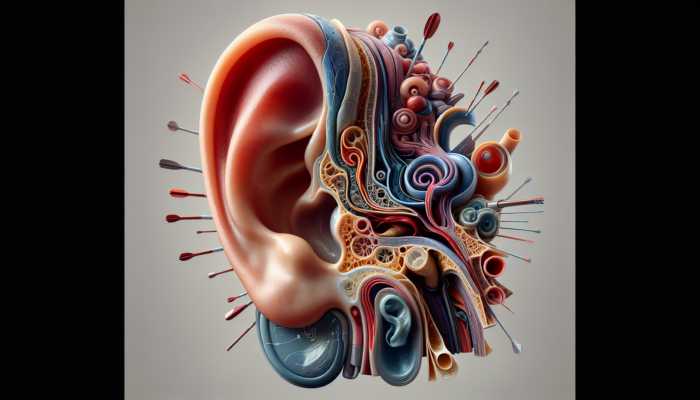
Illustration of head trauma effects on ear, showing damage to outer, middle, and inner ear structures.

Head trauma can lead to hearing impairments through several complex mechanisms, often resulting in significant and sometimes irreversible auditory damage. When a blow to the head occurs, it can disrupt the delicate structures within the ear. This disruption may involve the outer ear, the middle ear, or the intricate inner ear systems that are essential for sound perception. Understanding these impacts is crucial for effective intervention and management.

For example, during blunt force trauma, the mechanical shock can dislocate or fracture the ossicles in the middle ear. These tiny bones are critical for the transmission of sound waves, and any compromise can lead to conductive hearing loss. Furthermore, the inner ear, particularly the cochlea, may be subjected to direct impacts or shear forces that damage its sensitive hair cells, resulting in sensorineural hearing loss. Recognizing these mechanisms is vital for treatment and rehabilitation.

Moreover, the effects of head trauma on hearing can be exacerbated by the body’s inflammatory response to the injury. Inflammation often leads to swelling, further disrupting the normal functioning of the auditory pathways. The intersection of physical trauma and biological response necessitates a comprehensive understanding of these effects for effective treatment and rehabilitation strategies.

Identifying Various Types of Head Trauma Related to Hearing Impairment

Head trauma includes a range of injuries, each with unique implications for hearing loss. Concussions, for instance, are a common form of mild traumatic brain injury (TBI) that can result in subtle yet significant auditory impairments. These injuries often occur from sports, falls, or car accidents, producing forces that can strain the auditory nerves and brain regions responsible for processing sound.

More severe injuries, such as skull fractures, can directly damage the structures of the ear. A fracture in the temporal bone, for instance, not only risks harming the inner ear but may also create a pathway for bacteria, leading to infections that worsen hearing loss. The complexity of these injuries underscores the need for immediate medical intervention and ongoing monitoring of auditory function.

Another significant concern is the impact of repetitive head trauma, particularly in contact sports. Athletes exposed to multiple concussive incidents may experience cumulative auditory decline over time, highlighting the need for further research into the long-term effects of such injuries on hearing health.

Distinguishing Between Immediate and Delayed Hearing Loss After Trauma

Hearing loss following head trauma can present in two distinct timeframes: immediate and delayed. Immediate hearing loss typically occurs as a direct consequence of the injury, manifesting at the moment of impact. This form of hearing loss is generally more straightforward to diagnose, as it becomes apparent right after the incident.

In contrast, delayed hearing loss may take days, weeks, or even months to surface, posing significant challenges for diagnosis and treatment. This phenomenon can arise due to gradual swelling, inflammation, or secondary complications, such as infections. The latent onset of this hearing loss can lead to misdiagnosis, as healthcare providers might attribute auditory changes to unrelated factors.

Grasping these two timelines is essential for both patients and healthcare professionals. Early intervention can dramatically improve outcomes; however, the delayed nature of symptoms often means that individuals may not seek help immediately. This emphasizes the importance of awareness and education regarding the auditory risks tied to head trauma, encouraging monitoring of hearing post-injury.

Understanding the Mechanisms Behind Hearing Impairment

The physiological mechanisms of hearing impairment following head trauma are intricate and multifaceted. Gaining insight into these mechanisms is essential for understanding the severe effects that head injuries can impose on auditory capabilities. From damage to the inner ear to disruptions in neurological processing, this section delves into the various pathways through which head trauma leads to hearing impairment.

Examining Damage to the Inner Ear

The inner ear is a highly sensitive structure that plays a critical role in sound perception. Trauma can significantly affect the cochlea, which contains hair cells responsible for converting sound vibrations into neural signals. When subjected to physical forces, these hair cells can become damaged or destroyed, leading to sensorineural hearing loss.

Research shows that even mild traumatic brain injuries can inflict damage on these essential components of the auditory system. In certain instances, the impact may induce a temporary threshold shift, where sound perception fluctuates due to alterations in cochlear function. However, if the trauma is severe, permanent hearing loss may occur, adversely affecting an individual’s ability to communicate effectively.

Additionally, recent studies indicate that the brain’s auditory processing centers can also be impacted by head trauma. This disruption may lead to difficulties in sound localization, speech comprehension, and overall auditory perception. Consequently, individuals with a history of head trauma must remain vigilant in monitoring their hearing health and pursuing appropriate evaluations.

Understanding the Impact on the Middle Ear

The middle ear plays a vital role in sound conduction, and any trauma affecting these structures can result in conductive hearing loss. This type of hearing impairment occurs when sounds are not effectively transmitted to the inner ear, often leading to muffled hearing or a sensation of fullness in the ear.

In instances of blunt force trauma or accidents, the ossicles can dislocate or fracture, severely impairing their function. For example, a temporal bone fracture may disrupt the connection between the eardrum and the cochlea’s oval window, preventing sound waves from reaching their intended destination. The resulting hearing loss can be both significant and distressing, emphasizing the need for prompt intervention.

Moreover, the middle ear is susceptible to fluid accumulation following trauma, which can further obstruct hearing. This fluid buildup can lead to conditions like otitis media, characterized by inflammation and infection. If left untreated, such complications can result in chronic hearing impairment, underscoring the importance of timely medical attention.

Exploring Neurological Effects of Head Trauma

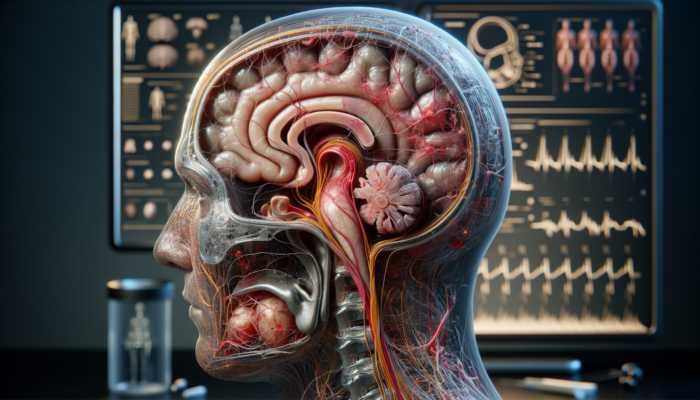
Beyond the physical structures of the ear, head trauma can have profound neurological effects that impact hearing. The auditory nerves, which are critical for transmitting sound information from the ear to the brain, can sustain damage during a head injury. This damage can disrupt pathways essential for sound processing, leading to various forms of auditory impairment.

Injuries to the brain may also affect regions responsible for auditory processing. The temporal lobe, which houses crucial auditory centers, can suffer from contusions or diffuse axonal injury, resulting in difficulties in interpreting sounds. Individuals may experience challenges such as tinnitus, characterized by ringing or buzzing in the ears, which can be both distracting and debilitating.

Ongoing research aims to better understand the relationship between head trauma and its neurological ramifications on hearing. Studies are exploring how these injuries can lead to long-term auditory changes, with implications for rehabilitation and recovery strategies. By investigating these neurological effects, we can more effectively address the complex nature of hearing loss following head trauma.

Symptoms and Diagnostic Approaches

Recognizing and diagnosing hearing loss following head trauma is essential for effective treatment and management. This section outlines the common symptoms associated with auditory impairment after head injuries and delves into the diagnostic tools and techniques used to identify trauma-related auditory issues.

Recognizing Symptoms of Hearing Loss After Trauma

Identifying the symptoms of hearing loss following head trauma is critical for early intervention and treatment. Common indicators include tinnitus, a persistent ringing or buzzing in the ears, difficulties in hearing, and balance issues. These symptoms may arise immediately after the injury or develop progressively, making it vital to remain vigilant after any head trauma.

Tinnitus, often described as a phantom sound, can be particularly distressing for affected individuals. It may not only impact hearing but also contribute to anxiety and sleep disturbances, compounding the challenges faced by those recovering from head injuries. Awareness of this symptom can prompt individuals to seek medical evaluation sooner, facilitating timely interventions.

Hearing difficulties may range from mild distortion of sounds to a complete inability to perceive auditory signals. Patients may frequently ask for repetition, struggle to follow conversations, or feel as if others are mumbling. Additionally, balance issues can arise due to the close relationship between the auditory and vestibular systems, highlighting the need for comprehensive assessments after head injuries.

Diagnostic Tools and Techniques for Effective Assessment

A thorough evaluation of hearing loss following head trauma necessitates a variety of diagnostic tools and techniques. Audiometry serves as a cornerstone of hearing assessments, providing objective measurements of auditory thresholds and functioning. This testing can help identify the type and extent of hearing loss, guiding treatment decisions and strategies.

Imaging studies, such as CT scans or MRIs, are invaluable for visualizing structural damage related to head trauma. These imaging techniques can reveal fractures, hemorrhages, or other abnormalities that may contribute to auditory impairment. By identifying structural issues early, healthcare professionals can develop a targeted treatment plan that addresses the specific needs of the patient.

Neurological examinations are also crucial in assessing the brain’s involvement in hearing loss. These evaluations can help determine whether auditory processing centers have been affected, providing valuable insights into the overall impact of head trauma on auditory function. Together, these diagnostic approaches ensure that healthcare providers can accurately assess hearing loss and devise appropriate interventions, enhancing recovery outcomes for individuals affected by head trauma.

Distinguishing Trauma-Induced Hearing Loss from Other Types

Differentiating between trauma-induced hearing loss and other forms of auditory impairment is vital for developing effective treatment strategies. Various factors can contribute to hearing loss, including pre-existing conditions or age-related changes, complicating the diagnostic process.

Healthcare professionals must conduct comprehensive evaluations, considering the patient’s history, the timing of symptoms, and specific mechanisms of injury. For instance, sudden hearing loss following a head injury may indicate a direct correlation, while gradual changes could suggest other underlying issues unrelated to trauma.

Identifying the root cause of hearing loss is crucial for appropriate management. Trauma-induced hearing loss may necessitate different interventions compared to age-related or noise-induced hearing loss. By accurately assessing the origins of auditory impairment, healthcare providers can offer tailored solutions that promote optimal hearing health and quality of life.

Exploring Treatment Options for Hearing Loss

The treatment landscape for hearing loss resulting from head trauma encompasses a range of strategies designed to address the unique needs of affected individuals. This section explores medical interventions, surgical treatments, rehabilitation therapies, and alternative approaches available for managing trauma-related auditory impairments.

Medical Interventions for Effective Healing

Medical interventions for hearing loss following head trauma often prioritize reducing inflammation and promoting recovery. Corticosteroids, for instance, may be prescribed to alleviate swelling around the auditory structures, facilitating healing. In cases where infections are present, antibiotics can be administered to prevent further complications that could exacerbate hearing loss.

In addition to medications, close monitoring is essential. Regular follow-ups allow healthcare providers to assess the effectiveness of treatments and make necessary adjustments. New developments in pharmacological therapies are continually emerging, enhancing the options available for patients dealing with trauma-related hearing impairment.

Moreover, research is ongoing into neuroprotective agents that could safeguard against auditory nerve damage. By exploring innovative medical treatments, the potential for improved outcomes in hearing restoration appears promising, offering hope for those affected by head trauma.

Exploring Surgical Interventions for Hearing Restoration

In certain cases, surgical interventions become necessary to address the physical damage caused by head trauma. Surgical procedures may be required to repair fractured ossicles, remove obstructions, or even reconstruct the eardrum. These operations aim to restore the mechanical functions of the ear, thereby improving sound conduction and auditory function.

For individuals suffering from severe sensorineural hearing loss, cochlear implants may be a viable option. These electronic devices bypass damaged hair cells in the cochlea and directly stimulate the auditory nerve. Cochlear implants have revolutionized the management of hearing loss, providing hope and enhanced communication for individuals affected by head trauma.

It is crucial for patients to be well-informed about the risks and benefits associated with surgical interventions. Collaborating with a skilled otolaryngologist or audiologist can help guide patients through the decision-making process, ensuring they receive the most appropriate care for their individual circumstances.

Rehabilitation and Therapeutic Approaches for Recovery

Audiological rehabilitation plays an essential role in the recovery process for individuals experiencing hearing loss post-trauma. This approach focuses on training patients to adapt to their hearing challenges, often incorporating hearing aids or assistive listening devices to enhance auditory perception. These tools enable individuals to participate more fully in conversations and social interactions, ultimately improving their quality of life.

Therapeutic interventions may also include counseling and support groups, offering emotional and psychological assistance as individuals navigate the challenges associated with hearing loss. Psychological support is vital, as auditory impairments can often lead to feelings of isolation and anxiety. By fostering a supportive environment, individuals can build resilience and develop effective coping strategies.

Additionally, speech therapy may be integrated into the rehabilitation process, helping individuals improve their communication skills. Tailored exercises can assist patients in regaining confidence and adapting to their auditory deficits, significantly enhancing their overall quality of life.

Alternative and Complementary Therapies for Holistic Healing

In addition to conventional medical treatments, some individuals may seek alternative and complementary therapies to support their recovery from trauma-related hearing loss. Approaches such as acupuncture have gained interest for their potential to alleviate symptoms of tinnitus and enhance overall ear health.

Herbal remedies and dietary supplements are also explored by some patients, though it is essential to consult healthcare professionals before embarking on these approaches. While evidence of efficacy varies, some individuals report benefits from natural solutions, highlighting the diversity of treatment options available in managing hearing impairment.

Engaging in holistic approaches can enhance the overall recovery experience, providing patients with a sense of agency over their healing journey. Integrating these therapies with conventional treatments can lead to comprehensive care that addresses both physical and emotional health, ultimately promoting better outcomes.

Implementing Effective Prevention Strategies

Preventing head trauma and its associated auditory consequences is crucial for promoting hearing health. This section outlines key strategies that individuals can adopt to minimize the risk of head injuries, thereby protecting their hearing capabilities.

Utilizing Protective Measures During High-Risk Activities

Engaging in activities that pose a risk for head injuries necessitates the use of appropriate protective gear. For example, helmets are essential for individuals participating in contact sports, cycling, or skateboarding. Wearing helmets significantly reduces the risk of sustaining traumatic brain injuries, which can have lasting effects on hearing health.

Safety equipment must be properly fitted and consistently used to be effective. Advocacy for helmet use, particularly among youth athletes, is vital in fostering a culture of safety and injury prevention. Communities can promote awareness through education programs that emphasize the importance of protective measures.

In addition to helmets, other protective gear, such as padded headgear or mouthguards, can further mitigate the risk of head trauma. Encouraging a comprehensive approach to safety can help individuals protect not only their hearing but also their overall well-being.

Raising Education and Awareness About Head Injury Risks

Raising awareness about the risks associated with head trauma is vital for prevention. Education initiatives targeting schools, sports organizations, and community groups can inform individuals about the signs and symptoms of head injuries and their potential auditory consequences.

By equipping individuals with knowledge, they are more likely to seek help promptly following a head injury. Understanding the connection between head trauma and hearing loss fosters a proactive approach to health, empowering individuals to prioritize their auditory well-being.

Training coaches, teachers, and parents to recognize the signs of head injuries can create a supportive environment for early intervention. Together, this collective effort contributes to a culture of safety that emphasizes the importance of protecting against head trauma and its auditory ramifications.

Making Lifestyle Adjustments to Reduce Injury Risks

Making lifestyle adjustments can significantly decrease the risk of head injuries. Individuals should assess their daily activities and identify potential hazards. For instance, opting for safer modes of transportation, such as public transit or rideshare options, can minimize the risk of vehicular accidents that may lead to head injuries.

Home safety is equally important; securing rugs, installing handrails, and eliminating clutter can help prevent falls that may result in head trauma. By fostering a safe living environment, individuals can take proactive steps toward preventing injuries that could lead to hearing loss.

Incorporating balance and coordination exercises into daily routines can also enhance physical stability, reducing the likelihood of falls. Engaging in activities such as yoga or tai chi can promote strength and awareness, providing additional protection against head trauma.

Prioritizing Regular Health Check-Ups for Auditory Health

Routine health check-ups play a crucial role in monitoring overall well-being, including auditory health. Regular visits to healthcare providers can facilitate early detection of any signs of head trauma or hearing impairment. Individuals should prioritize screenings and evaluations, particularly if they have experienced any head injuries, regardless of perceived severity.

Health professionals can educate patients on preventive measures and provide guidance on maintaining auditory health. These check-ups can also serve as opportunities to discuss any concerns related to hearing or head trauma, fostering collaboration between patients and providers.

Proactive health management empowers individuals to take charge of their well-being, enhancing the likelihood of early intervention should hearing loss occur. Prioritizing regular check-ups is a vital component of safeguarding against the auditory consequences of head trauma.

Emphasizing Safety Equipment Usage in Vehicles

The implementation of safety features in vehicles, such as airbags and seat belts, significantly reduces the risk of head injuries during accidents. These safety measures are crucial in protecting occupants and can minimize the severity of trauma sustained during collisions.

Advocating for the use of safety equipment extends beyond personal vehicles to all modes of transportation. Utilizing public transit equipped with safety features can also contribute to reducing the likelihood of head trauma. Communities should promote awareness about the importance of wearing seat belts and utilizing vehicle safety measures to protect against injuries.

Furthermore, ongoing advancements in automotive safety technology continue to enhance vehicle protection. Encouraging individuals to stay informed about these innovations can foster a culture of safety and awareness regarding head trauma and auditory health.

Exploring Long-Term Implications of Hearing Loss

The long-term implications of hearing loss resulting from head trauma can profoundly affect individuals’ quality of life. This section addresses how auditory impairment can influence social interactions, mental health, and the potential for further complications over time.

Assessing the Impact of Hearing Loss on Quality of Life

Experiencing hearing loss from head trauma can significantly alter an individual’s quality of life. Impaired hearing can hinder effective communication, making social interactions challenging. Individuals may withdraw from conversations, leading to feelings of isolation and frustration.

The social implications of hearing loss often extend to professional environments as well. Individuals may face difficulties in meetings, presentations, or collaborative efforts, impacting their career prospects and self-esteem. This can lead to a cascading effect on mental health, with increased risks for anxiety and depression.

The emotional toll of hearing loss cannot be understated. Individuals may grapple with feelings of inadequacy or frustration as they navigate their altered auditory landscape. By understanding the profound impact of hearing loss on quality of life, healthcare providers can better support patients through rehabilitation and counseling.

Recognizing the Potential for Further Complications

Untreated hearing loss can lead to additional health issues over time. Research indicates that individuals with auditory impairment face higher risks of cognitive decline, social isolation, and mental health challenges. The connection between hearing loss and conditions such as dementia highlights the importance of addressing auditory issues promptly.

Moreover, the effects of hearing loss can exacerbate existing health conditions. Individuals may experience increased stress or anxiety, adversely affecting their overall physical health. This interconnectedness underscores the need for comprehensive care that considers the broader implications of hearing loss.

Proactive management of hearing health is essential in mitigating these potential complications. By prioritizing early intervention and ongoing support, individuals can safeguard against the cascading effects of untreated hearing loss, ensuring a better quality of life.

Strategies for Managing Chronic Conditions Related to Hearing Loss

For those with persistent hearing loss resulting from head trauma, long-term management strategies become crucial. Individuals may benefit from regular audiological evaluations to monitor changes in their hearing and make necessary adjustments to treatment plans.

Hearing aids or cochlear implants may become integral components of daily life, enabling individuals to engage more fully in conversations and social activities. Ongoing audiological support can empower patients to adapt to their auditory devices, ensuring optimal use and effectiveness.

Additionally, mental health support remains vital for individuals coping with chronic hearing loss. Counseling or support groups can provide emotional assistance, helping individuals navigate the psychological challenges associated with auditory impairment. By fostering resilience and coping strategies, individuals can better manage their long-term hearing health and overall well-being.

Advancements and Research in Hearing Loss

The field of research exploring the link between head trauma and hearing loss is continually evolving, with ongoing studies aimed at uncovering new insights and treatment modalities. This section highlights current studies, technological innovations, and future directions in the realm of trauma-related hearing impairment.

Current Studies Investigating Head Trauma and Hearing Loss

Ongoing research is integral to understanding the complexities of the relationship between hearing loss and head trauma. Studies are examining the prevalence of hearing loss among individuals with a history of head injuries, shedding light on the intricate relationships between trauma, auditory function, and recovery outcomes.

Research initiatives are also investigating the mechanisms underlying hearing loss post-trauma, aiming to identify potential biomarkers or predictive factors. By uncovering these links, healthcare professionals can enhance diagnostic accuracy and tailor interventions to cater to individual needs.

Furthermore, studies are exploring the long-term implications of head trauma on auditory health, providing insights into the cumulative effects of multiple injuries. This research is critical for developing preventive strategies and improving rehabilitation protocols for affected individuals.

Technological Innovations Transforming Hearing Loss Treatment

Technological advancements are revolutionizing the diagnosis and treatment of trauma-related hearing loss. Innovative audiological devices, such as advanced hearing aids and cochlear implants, are continually being developed and refined. These technologies enhance auditory perception, enabling individuals to navigate their environments more effectively.

Imaging technologies are also evolving, with improvements in MRI and CT scans allowing for more precise visualization of auditory structures. Enhanced imaging capabilities enable healthcare providers to better assess the extent of injuries, resulting in more informed treatment planning and improved patient outcomes.

Telehealth solutions are gaining traction, allowing individuals to access audiological care remotely. This accessibility is especially beneficial for those living in underserved regions, ensuring timely diagnosis and treatment for individuals with hearing loss post-trauma.

Future Directions in Treatment for Hearing Loss

The future of treatment for hearing loss resulting from head trauma is promising, with emerging therapies and approaches on the horizon. Research into gene therapy and regenerative medicine holds the potential to restore damaged hair cells in the inner ear, offering hope for individuals with irreversible sensorineural hearing loss.

Additionally, studies exploring pharmacological agents that protect auditory structures during traumatic events are underway. By developing neuroprotective strategies, researchers aim to mitigate the impact of head trauma on hearing, paving the way for preventive measures and innovative interventions.

The integration of virtual reality in rehabilitation programs also presents an exciting avenue for enhancing auditory recovery. By simulating real-world auditory environments, individuals can practice communication skills and auditory processing in a controlled setting, promoting confidence and adaptability in their hearing capabilities.

Investigating the Impact of Concussions on Auditory Function

Recent studies have begun to focus specifically on the impact of concussions on auditory function. Researchers are investigating how these mild traumatic brain injuries can lead to subtle yet significant changes in auditory perception. The findings emphasize the importance of timely assessments and interventions for individuals experiencing concussions.

Understanding the auditory processing challenges that can arise from concussions is crucial for developing effective rehabilitation strategies. By identifying these issues early on, healthcare providers can tailor treatment plans that address the unique auditory needs of individuals recovering from concussive injuries.

As research continues to unveil the complexities of head trauma and auditory function, the potential for improved prevention and rehabilitation strategies becomes increasingly evident, enhancing the quality of life for those affected.

Addressing Psychological and Social Dimensions of Hearing Loss

The psychological and social dimensions of hearing loss following head trauma are significant, impacting individuals’ mental health and relationships. This section explores the emotional struggles associated with auditory impairment and the social implications of living with hearing loss.

Understanding the Emotional Toll of Hearing Loss

Hearing loss resulting from head trauma can impose a severe emotional burden on individuals, leading to feelings of frustration, isolation, and anxiety. The inability to hear clearly can create barriers in communication, straining relationships with family, friends, and colleagues. Individuals may withdraw from social interactions due to embarrassment or frustration, exacerbating feelings of loneliness.

Moreover, the psychological implications of hearing loss can extend beyond immediate emotional responses. Research indicates a correlation between untreated hearing loss and heightened risks of anxiety and depression. Individuals may struggle with negative self-image and diminished self-esteem, significantly impacting their overall mental well-being.

Support systems are vital for individuals navigating the emotional challenges of hearing loss. Encouraging open conversations about auditory impairments can foster understanding and empathy within social circles, helping individuals feel less isolated in their experiences and promoting healthier interactions.

Combating Social Isolation and Building Relationships

The profound impact of hearing loss on social interactions can lead to significant isolation, creating a ripple effect across personal and professional relationships. Individuals may find it challenging to engage in conversations, leading to misunderstandings and frustration for both parties involved.

Social gatherings can become overwhelming for those with hearing impairments, leading to avoidance of situations that may exacerbate feelings of inadequacy. The fear of not being able to follow conversations can deter individuals from participating in activities they once enjoyed, further perpetuating isolation and loneliness.

Addressing these social implications is crucial for holistic care. Healthcare providers can facilitate discussions about the importance of communication strategies and social engagement, promoting resources such as support groups that connect individuals facing similar challenges. By fostering an inclusive environment, communities can help mitigate the social isolation experienced by those with hearing loss.

Establishing Supportive Networks for Individuals with Hearing Loss

Creating supportive networks is essential for individuals coping with hearing loss following head trauma. Family, friends, and healthcare providers play crucial roles in establishing an environment of understanding and encouragement. Developing open lines of communication can help individuals express their needs and concerns, fostering stronger relationships and support systems.

Support groups specifically designed for individuals with hearing loss can provide invaluable resources and connections. These groups often offer a safe space for individuals to share their experiences, challenges, and triumphs, allowing them to build a sense of community and belonging.

Additionally, technology can facilitate the creation of supportive networks by connecting individuals with similar experiences. Online forums and social media groups can serve as platforms for sharing information, resources, and emotional support, breaking down geographical barriers to connection.

Empowerment through support is key to navigating the challenges of hearing loss. By fostering a sense of community, individuals can reclaim their confidence and actively participate in their social and emotional well-being.

Frequently Asked Questions About Hearing Loss and Head Trauma

What is the primary connection between head trauma and hearing loss?

The primary connection is that head trauma can cause damage to the ear’s structures, leading to both immediate and delayed hearing loss through various mechanisms, including damage to the inner ear and auditory pathways.

How can I identify hearing loss after sustaining a head injury?

Signs of hearing loss post-injury may include difficulty hearing conversations, tinnitus (ringing in the ears), and balance problems. It is essential to seek medical evaluation if these symptoms arise after a head injury.

Which types of head injuries are most likely to cause hearing loss?

Concussions and skull fractures are the most common types of head injuries linked to hearing loss. These injuries can disrupt the structures of the ear and auditory pathways, leading to various forms of hearing impairment.

Are there effective treatments available for hearing loss due to head trauma?

Yes, treatments may include medical interventions such as steroids, surgical repair of damaged structures, audiological rehabilitation, and alternative therapies. The approach often depends on the type and severity of the hearing loss.

Can hearing loss from head trauma be permanent?

Yes, depending on the severity of the injury and the extent of damage to the auditory structures, hearing loss can be permanent, particularly if it involves sensorineural hearing loss.

What preventive measures can I take to avoid head injuries?

Wearing protective gear during sports, practicing safe driving habits, and making home safety adjustments can help reduce the risk of head injuries that may lead to hearing loss.

How can I support someone experiencing hearing loss after head trauma?

Be patient and understanding. Encourage open communication and provide resources for audiological support. Joining support groups or attending therapy together can also be beneficial for emotional recovery and coping.

What role does rehabilitation play in recovery from hearing loss?

Rehabilitation is crucial for adapting to hearing loss, involving audiological support, counseling, and the use of hearing devices to improve communication and enhance overall quality of life.

Is there ongoing research concerning head trauma and hearing loss?

Yes, ongoing research aims to explore the connections between head trauma and auditory impairment, including studies on treatment advancements and the long-term effects of concussions on hearing.

Are alternative therapies effective for hearing loss recovery?

While some individuals find relief through alternative therapies such as acupuncture and herbal remedies, it is essential to consult healthcare professionals and integrate these with conventional treatments for optimal results.

Explore our world on X!

The post Hearing Loss and Head Trauma: Essential Insights Explained appeared first on The Microsuction Ear Wax Removal Network.

Categories
Health & Wellness Hearing Health

Otosclerosis and Its Impact on Hearing: An In-Depth Look

Last Updated on 23/04/2025 by Admin

Comprehensive Insights into Otosclerosis

Defining Otosclerosis: Causes and Mechanisms

Otosclerosis is a complex medical condition that primarily affects the stapes bone located in the middle ear. This condition impedes the bone’s ability to move freely, resulting in a gradual but significant impact on hearing. The stapes plays a crucial role in the transmission of sound waves from the outer ear to the inner ear. When it becomes fixed due to otosclerosis, this delicate process is interrupted, leading to various auditory challenges. One of the leading contributors to this condition is genetic predisposition; individuals with a family history of otosclerosis have a heightened risk of developing it themselves. The intricate balance of sound wave transmission is disrupted, which can cause a series of auditory difficulties.

The precise causes of otosclerosis are still being explored by medical researchers. While genetic factors are well-established, there is growing evidence that environmental influences might also play a significant role. Some studies have proposed that viral infections could be linked to the onset of otosclerosis, though conclusive causes remain elusive. As a result, individuals diagnosed with otosclerosis often experience uncertainty regarding their condition, highlighting the importance of increased awareness and education about this complex disorder.

Understanding the Prevalence and Demographics of Otosclerosis

When examining the demographics associated with otosclerosis, a clear trend emerges. This condition is most commonly found in adults, particularly those in their 20s and 30s, with a notable prevalence among females. The global prevalence of otosclerosis is estimated to affect approximately 0.3% to 0.4% of the population. If left untreated, this can lead to a considerable number of individuals suffering from varying degrees of hearing impairment.

Interestingly, otosclerosis does not show bias toward geographical locations. Whether in the busy urban landscapes of North America or the serene rural communities in Asia, otosclerosis can arise across diverse demographics worldwide. Understanding these demographic factors is crucial for healthcare providers, as it allows them to tailor their diagnostic and treatment strategies effectively, ensuring resources are directed towards those most susceptible to this condition.

Importance of Early Detection and Accurate Diagnosis of Otosclerosis

Early identification of otosclerosis is essential for effective treatment and management. The first step typically involves comprehensive hearing tests, including audiograms that assess an individual’s ability to perceive different sound frequencies. An extensive review of the patient’s family history can provide vital information that reveals potential hereditary factors influencing the diagnosis.

In certain instances, advanced diagnostic tools like CT scans may be utilized to gain a clearer picture of the middle ear’s structure. These imaging techniques not only confirm the diagnosis of otosclerosis but also help distinguish it from other forms of hearing loss. The significance of timely diagnosis cannot be overstated, as it opens avenues for potential interventions that can greatly enhance an individual’s quality of life.

Exploring Available Treatment Options for Otosclerosis

The array of treatment options for otosclerosis is both varied and evolving. For those experiencing mild to moderate hearing loss, hearing aids can provide a significant benefit by amplifying sound and improving the ability to communicate effectively. These devices are available in numerous styles and technologies, specifically designed to address the unique needs of each user.

For individuals facing more severe cases of otosclerosis, surgical options such as stapedectomy or stapedotomy present promising alternatives. These surgical procedures involve the replacement of the immobilized stapes bone with a prosthetic device, thereby restoring the essential function of sound transmission and enhancing hearing capabilities. While surgical interventions can be highly effective, they also come with inherent risks that must be carefully considered by the patient and their healthcare provider.

In some instances, medical management may involve fluoride therapy, which aims to slow the progression of otosclerosis. Although the efficacy of this treatment remains a subject of debate among medical professionals, it highlights the necessity for a multifaceted approach in managing the condition. Continuous advancements in medical research are vital in shaping effective treatment strategies for otosclerosis.

Identifying Symptoms and Understanding Progression

Recognizing the Initial Symptoms of Otosclerosis

Detecting the initial symptoms of otosclerosis can be quite challenging, as they tend to manifest gradually and subtly over time. The most common early sign is a slow but noticeable decline in hearing, which often goes unrecognized initially. Many individuals may attribute this hearing loss to the natural aging process or the typical noise of daily life, particularly in our increasingly loud environments.

In addition to hearing loss, individuals frequently report experiencing tinnitus, characterized by a ringing or buzzing sensation in the ears. This can complicate the auditory experience further. Some individuals might also experience episodes of vertigo, leading to feelings of dizziness and imbalance. While these symptoms may seem relatively innocuous at first glance, if left unaddressed, they can escalate into more significant concerns, underscoring the necessity for awareness and prompt medical intervention.

Understanding the Progression of Hearing Loss Due to Otosclerosis

The progression of hearing loss associated with otosclerosis exhibits a wide range of variability among individuals. For some, symptoms may begin as mild impairments, while others may experience a swift decline, culminating in profound hearing loss in both ears. The unpredictable nature of this condition can be frustrating, leading to uncertainty in daily interactions and social engagements.

Prompt intervention is critical in managing hearing loss progression. Regular consultations with audiologists can help monitor changes in auditory capabilities and facilitate timely responses to emerging challenges. As awareness and understanding of otosclerosis increase, individuals become better equipped to seek help and implement strategies that may slow the progression of their condition, thus enhancing their quality of life.

Exploring the Impact of Otosclerosis on Daily Life

The challenges posed by otosclerosis can profoundly affect day-to-day living. As communication becomes increasingly difficult, especially in noisy environments or crowded settings, misunderstandings can arise, leading to feelings of frustration and isolation. As the condition progresses, individuals may withdraw from social interactions, fearing a decline in their quality of life due to their hearing difficulties.

The emotional impact of this condition can also be significant. Many individuals struggle with feelings of misunderstanding or exclusion, which can lead to heightened anxiety and self-doubt. Fostering a supportive environment, whether through connections with family and friends or community resources, can help alleviate some of these challenges, promoting a sense of belonging and emotional well-being.

Evaluating Treatment Strategies for Otosclerosis

Harnessing the Benefits of Hearing Aids

Hearing aids represent a beacon of hope for many individuals dealing with mild to moderate hearing loss as a result of otosclerosis. These sophisticated devices function by amplifying sound, allowing users to engage more fully in conversations and everyday activities. With ongoing advancements in technology, modern hearing aids now come equipped with features such as noise cancellation and directional microphones, enhancing their effectiveness in challenging auditory environments.

Customization plays a key role in the effectiveness of hearing aids—each individual’s hearing loss pattern is unique, and devices can be tailored to meet specific requirements. A comprehensive consultation with an experienced audiologist can help determine the most appropriate device, ensuring a comfortable fit and optimal performance. Embracing hearing aids can empower individuals to reclaim their auditory experiences, fostering deeper connections with others and enhancing overall quality of life.

Exploring Surgical Interventions for Severe Cases

For those experiencing significant hearing loss due to otosclerosis, surgical options such as stapedectomy or stapedotomy can offer remarkable advantages. During these surgical procedures, the fixed stapes bone is either removed or modified, and a prosthetic device is inserted, restoring critical sound transmission functions. The success rates for these surgeries are generally favorable, frequently leading to substantial improvements in hearing capabilities.

However, prospective candidates must carefully weigh the benefits against the inherent risks associated with surgical interventions, which may include complications such as infection or issues during the recovery phase. Consulting with a skilled otolaryngologist can assist individuals in making informed decisions, ensuring they have a clear understanding of the expected outcomes and potential risks before undergoing surgery. Surgical options can significantly enhance the quality of life for individuals grappling with severe hearing loss.

Considering Medical Management Strategies for Otosclerosis

While surgical interventions provide considerable benefits, medical management options such as fluoride therapy can also play a crucial role in the comprehensive treatment of otosclerosis. This particular treatment aims to decelerate the progression of the disease and is often considered for individuals who may not be suitable candidates for surgery or who prefer non-invasive alternatives.

Though the effectiveness of fluoride therapy remains a topic of ongoing discussion among healthcare professionals, there is evidence to suggest that it could benefit certain patients by reducing the rate of hearing loss progression. Regular monitoring and consultations with healthcare providers are essential to determine the appropriateness of this approach, ensuring that each individual’s treatment plan is personalized and effective in addressing their unique needs.

Understanding the Impact of Otosclerosis on Communication

Identifying Challenges in Conversations for Individuals with Otosclerosis

Engaging in conversations while dealing with otosclerosis can be an intricate challenge. As hearing loss advances, individuals may find it increasingly difficult to follow discussions, particularly in noisy environments where multiple sounds compete for attention. This struggle can lead to misunderstandings, frustration, and a sense of helplessness, ultimately affecting both personal and professional relationships.

The difficulty lies not solely in the ability to hear but also in maintaining meaningful connections. Conversations form the backbone of our social interactions, and when communication becomes strained, the repercussions can spread across various facets of life. Establishing a supportive environment—whether through compassionate friends and family or community initiatives—can help ease these challenges, promoting understanding and empathy for those living with otosclerosis.

Implementing Strategies to Enhance Communication

Utilizing effective communication strategies can significantly improve interactions for individuals living with otosclerosis. Employing visual cues, such as maintaining eye contact and observing facial expressions, can help bridge the gaps in understanding. Speaking clearly and at a moderate pace is crucial, as it enhances comprehension and facilitates smoother conversations.

Additionally, minimizing background noise in conversation settings can greatly contribute to successful interactions. Choosing quieter venues or utilizing assistive listening devices allows individuals to take proactive measures in creating a conducive communication environment. These strategies not only lead to clearer conversations but also reinforce the sense of community and connection among friends and family members.

Building Support Systems and Accessing Resources

Establishing a strong support network is vital for individuals navigating the complexities of otosclerosis. Support groups, whether in-person or online, provide invaluable spaces for sharing experiences and resources. Connecting with others who face similar challenges fosters a sense of belonging, enhancing emotional well-being and resilience.

Moreover, resources such as audiology clinics and advocacy organizations offer a wealth of information and tailored support for those living with hearing loss. From educational workshops to access to assistive technologies, these resources empower individuals to take charge of their auditory health while fostering connections within their communities. The strength found in shared experiences can illuminate the path forward for those grappling with the challenges of otosclerosis.

Exploring the Psychological Effects of Otosclerosis

Examining the Emotional Impact of Hearing Loss

The emotional consequences of otosclerosis can be deep and varied. As individuals confront the gradual loss of their hearing abilities, feelings of frustration, anxiety, and even depression may emerge, significantly affecting their mental health and overall quality of life. The burden of isolation can feel particularly heavy, especially when communication becomes strained and social interactions diminish.

Recognizing the emotional fallout is crucial for fostering resilience. Acknowledging these feelings and seeking help can lead to healthier coping mechanisms. Mental health professionals, along with supportive friends and family, play essential roles in guiding individuals through this emotional journey, helping them navigate the complexities of living with otosclerosis.

Developing Coping Mechanisms to Manage Emotional Challenges

For individuals grappling with the emotional challenges posed by otosclerosis, cultivating effective coping mechanisms can significantly enhance their overall quality of life. Counseling and therapy can provide valuable outlets for expressing feelings and exploring strategies for managing anxiety and frustration. Support groups amplify this process, creating a sense of community and shared understanding among participants.

Practices such as mindfulness meditation and journaling serve as effective tools for emotional regulation. These techniques promote a sense of calm and clarity, enabling individuals to process their experiences and adapt to the changes in their auditory landscape. Embracing these coping strategies can empower individuals to reclaim their emotional well-being and build resilience in the face of adversity.

Understanding the Impact of Otosclerosis on Relationships

The strain of hearing loss on relationships can be considerable, affecting communication dynamics and leading to misunderstandings between loved ones. It is essential for individuals with otosclerosis to communicate openly about their experiences, fostering an environment of understanding and support. Encouraging family and friends to ask questions and engage in discussions about the condition can promote empathy and strengthen connections.

Furthermore, involving partners and family members in the journey can enhance mutual understanding. Together, they can explore communication strategies and adapt their interactions to create a more inclusive atmosphere. By working collaboratively, individuals with otosclerosis can reinforce their relationships and navigate the challenges posed by hearing loss more effectively.

Preventive Measures and Lifestyle Adjustments for Otosclerosis

Implementing Preventive Strategies for Hearing Preservation

While otosclerosis itself cannot be prevented, adopting preventive strategies can effectively protect hearing from further deterioration. Safeguarding oneself from excessive noise exposure is paramount; wearing ear protection in loud environments, such as concerts or construction sites, can significantly reduce the risk of additional auditory damage.

Regular check-ups with audiologists are also critical for the early detection and management of hearing loss. By taking a proactive approach and staying informed about their auditory health, individuals can implement meaningful steps to preserve their hearing and mitigate the impact of otosclerosis on their lives.

Making Thoughtful Lifestyle Adjustments

Implementing mindful lifestyle adjustments can complement preventive strategies in addressing the challenges associated with otosclerosis. Adopting good ear hygiene practices, such as avoiding cotton swabs that can damage the ear canal, is essential for maintaining ear health. Additionally, fostering a balanced daily routine that incorporates regular exercise and healthy social interactions can contribute to overall well-being.

Establishing self-care routines—ensuring adequate rest and managing stress—can further support auditory health. By embracing a holistic approach, individuals can enhance their resilience and improve their capacity to cope with the effects of otosclerosis.

Adopting Nutritional Considerations for Ear Health

Supporting the body with a balanced diet rich in essential vitamins and minerals can play a crucial role in maintaining overall ear health. Nutrients such as vitamins A, C, E, and magnesium are known to contribute significantly to the preservation of the intricate structures found within the ear. Incorporating foods like leafy greens, nuts, and fish into daily meals can yield positive outcomes for those managing otosclerosis.

Consulting with nutritionists can provide personalized dietary recommendations, ensuring individuals receive the necessary nutrients to support their auditory health. By investing in a nutrient-rich diet, individuals may be able to slow the progression of otosclerosis while enhancing their overall lifestyle.

Utilizing Stress Management Techniques for Better Well-Being

The relationship between stress and otosclerosis is significant and should not be overlooked. High levels of stress can exacerbate symptoms, leading to increased anxiety and discomfort. Engaging in stress management techniques—such as mindfulness meditation, yoga, or deep breathing exercises—can be instrumental in alleviating tension and enhancing mental clarity.

Regularly practicing these techniques fosters a sense of calm, enabling individuals to better cope with the challenges associated with otosclerosis. Integrating relaxation practices into daily routines can lead to improved emotional well-being and a more resilient approach to managing hearing loss.

Frequently Asked Questions About Otosclerosis

What is otosclerosis and how does it affect hearing?

Otosclerosis is a condition that affects the middle ear, causing the stapes bone to become fixed, which results in hearing loss. It is often hereditary and primarily affects adults in their 20s and 30s.

How can I determine if I have otosclerosis?

Signs of otosclerosis include gradual hearing loss, tinnitus, and occasionally vertigo. If you experience these symptoms, it is advisable to consult an audiologist for testing and diagnosis.

What treatment options are available for otosclerosis?

Treatment options for otosclerosis include hearing aids, surgical interventions such as stapedectomy, and medical management options like fluoride therapy aimed at slowing disease progression.

Can otosclerosis be prevented in any way?

While otosclerosis itself cannot be prevented, protecting your hearing from excessive noise exposure and scheduling regular audiologist check-ups can help mitigate additional hearing loss.

How does otosclerosis impact daily living?

Otosclerosis can significantly affect communication and social interactions, leading to feelings of isolation and frustration if not properly managed.

What strategies can enhance communication for individuals with otosclerosis?

Employing visual cues, speaking clearly, minimizing background noise, and utilizing assistive listening devices can greatly improve communication for those living with otosclerosis.

What emotional effects are commonly experienced with otosclerosis?

Individuals with otosclerosis may experience feelings of frustration, anxiety, and depression due to the gradual loss of hearing, which can significantly affect their mental health and overall well-being.

How can I cope with the emotional challenges posed by otosclerosis?

Counseling, joining support groups, and engaging in mindfulness practices can help individuals manage the emotional challenges associated with living with otosclerosis.

What lifestyle changes can assist in managing otosclerosis?

Adopting preventive strategies, participating in regular exercise, maintaining a balanced diet, and implementing stress management techniques can be effective in managing the condition.

Are there specific dietary guidelines for those affected by otosclerosis?

A balanced diet rich in vitamins A, C, E, and magnesium can support overall ear health and may aid in slowing the progression of otosclerosis. Consulting with a nutritionist can provide tailored dietary advice.

Join us on our journey on X!

The post Otosclerosis and Its Impact on Hearing: An In-Depth Look appeared first on The Microsuction Ear Wax Removal Network.

Exit mobile version