Essential Steps to Gather Your Hearing Aid Cleaning Supplies
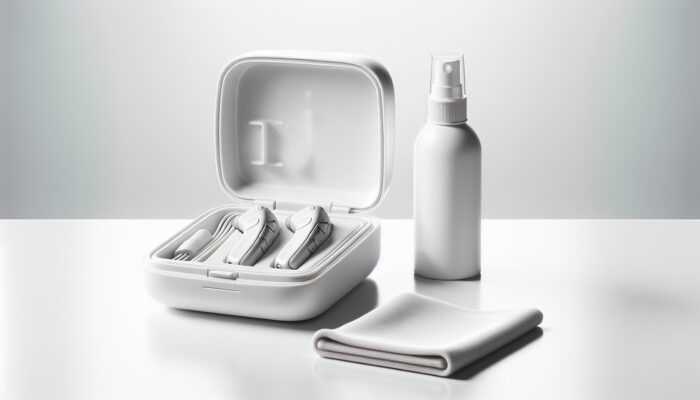
Daily cleaning of your hearing aids is vital for ensuring their optimal performance and extending their longevity. Before you start the cleaning routine, it’s important to assemble all the essential supplies. Having the right tools not only simplifies the process but also ensures your devices remain in perfect working condition. You will require a few straightforward items that are easily obtainable yet highly effective in maintaining your hearing aids. Gathering these supplies will set you up for success in your daily care routine.
Importance of a Soft, Lint-Free Cloth for Cleaning

A soft, lint-free cloth is a fundamental instrument in your hearing aid cleaning toolkit. Specifically designed to gently wipe the surfaces of your hearing aids, this type of cloth ensures that you do not scratch or damage the delicate components. When selecting a cloth, consider microfiber options, known for their high absorbency and absence of residue. Regular use of a soft cloth helps eliminate dirt and skin oils that can accumulate on the surface, thus maintaining both the aesthetic appeal and functionality of your devices.
In practice, make it a habit to perform this gentle wipe daily, especially after extended wear. This action not only removes surface grime but also serves as preventative maintenance against debris accumulation. Handling your hearing aids with a clean cloth enhances the tactile experience, making the process more enjoyable and promoting routine upkeep. Always ensure that the cloth itself is clean; washing it periodically will prevent the transfer of dirt back onto your hearing aids, ensuring cleanliness and hygiene.
Utilizing a Cleaning Brush for Detailed Maintenance
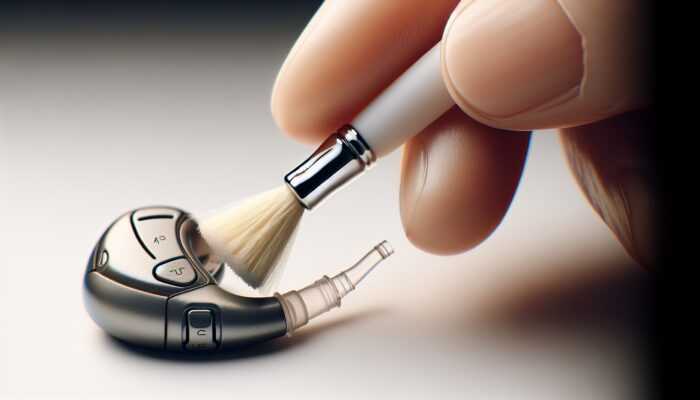
A small, soft-bristled cleaning brush is an invaluable tool for reaching the tiny crevices of your hearing aids that might otherwise be overlooked. The intricate design of hearing aids includes small openings where wax and dirt can accumulate, potentially affecting their functionality. When selecting a cleaning brush, look for one with a specialized tip made for hearing aids, allowing you to navigate the delicate parts without causing damage.
Using this brush requires a careful approach. Begin at the microphone and receiver ports, as these areas are particularly prone to blockages. Gently brush these sections to dislodge any trapped debris. The key is to apply just enough pressure to remove dirt without compromising the integrity of the components. This technique not only improves sound quality but also extends the lifespan of your hearing aids, ensuring they continue to function effectively.
Effective Cleaning with Mild Soap and Water Solution
For a more thorough cleaning, you may need a mixture of mild soap and water. This gentle solution efficiently cleans the hearing aid shell while avoiding harsh chemicals that could harm sensitive materials. Opt for a dish soap that is free from fragrances and dyes, mixing a small amount with lukewarm water to create an effective yet safe cleaning solution for regular use.
When applying this solution, dampen a cloth in the soapy mixture, ensuring you do not oversaturate it—excess moisture can be detrimental to electronic devices. Thoroughly wipe down the external surfaces, taking care to avoid any openings where liquid could seep in. The combination of mild soap and water not only sanitizes the device but also helps prevent ear infections or irritations caused by bacteria, contributing to overall ear health.
Step-by-Step Guide to Remove and Inspect the Battery

Routine checks on the battery of your hearing aids are a critical part of proper maintenance. This step goes beyond merely replacing used batteries; it is essential for ensuring your devices operate smoothly and efficiently. By following a systematic process, you can catch potential issues early, making it easier to prolong the lifespan of your hearing aids and maintain their functionality.
Safely Turn Off the Hearing Aid Before Battery Removal
Prior to removing the battery, always ensure your hearing aid is powered off. This precaution not only safeguards the device from potential damage but also enhances your safety during the cleaning process. Hearing aids are delicate, and turning them off minimizes the risk of accidental activation during maintenance, which could lead to further complications.
In some models, the power switch may be located near the battery compartment. Familiarizing yourself with your specific device layout will facilitate a smooth transition to the next step. It’s also a great opportunity to consider how often you should replace your batteries, as this can vary depending on usage. Some users may find themselves replacing batteries weekly, while others might only need to do so monthly.
Carefully Open the Battery Compartment
Gently open the battery door to access the battery inside your hearing aid. Take your time with this step; forcing the door can result in damage. Many designs allow for a simple slide or lift mechanism to access the compartment. Once open, carefully remove the battery, noting its orientation for reinsert later.
While handling the battery, it’s crucial to keep your workspace clean and organized. A cluttered area increases the chances of losing batteries or inadvertently causing damage. If you find yourself in a busy environment or on the move, consider using a small container to hold your batteries and cleaning tools. This added layer of organization not only streamlines your daily routine but also makes maintenance more efficient.
Inspecting the Battery Contacts for Corrosion

After removing the battery, inspect the battery contacts for any signs of corrosion or buildup. Corrosion often appears as a white, flaky substance that can hinder performance by disrupting the electrical flow. If you notice any corrosion, use a cleaning brush to gently remove it, ensuring you avoid damaging the contacts themselves.
This inspection is critical for ensuring that your hearing aids function at their best. Corroded contacts can lead to battery failure, leaving you without your hearing aids when you need them most. Regular checks—ideally performed immediately after battery changes—will help ensure that any potential issues are swiftly addressed, keeping your devices in optimal condition for everyday use.
Thorough Cleaning of the Hearing Aid Shell
Cleaning the shell of your hearing aids is a crucial aspect of daily maintenance. This step not only improves the appearance of your devices but also helps prevent potential buildup that can negatively affect sound quality. A clean shell can significantly enhance your overall hearing experience, allowing you to enjoy clear sound without interference from debris or dirt.
Wipe Down the Hearing Aid Shell for Maximum Cleanliness
Using the dampened soft cloth you prepared earlier, it’s time to wipe down the hearing aid shell thoroughly. Focus on all visible surfaces, including the top, sides, and underneath areas where dirt and oils can accumulate. Gently glide the cloth across the shell, ensuring you’re using minimal moisture to prevent any liquid from entering the device.
Pay close attention to any areas that show signs of wear or buildup. The combination of your cleaning brush and soft cloth can work wonders in rejuvenating the appearance of your hearing aids. Consistently engaging in this cleaning practice fosters a sense of ownership and pride in maintaining your devices, which is essential for their longevity and performance.
Ensure the Shell is Dried Thoroughly
After wiping down the shell, it’s vital to dry it completely. Utilize a separate dry cloth to remove any residual moisture left from the cleaning process. Ensuring your hearing aids are entirely dry before reassembling them is critical; moisture is one of the leading causes of device malfunctions over time.
A good drying technique involves wiping in different directions to capture any hidden dampness. Once you believe the shell is dry, hold it up to a light source to check for any residual moisture that may not be immediately visible. This meticulous attention to detail can significantly enhance the lifespan of your hearing aids, preventing internal components from being compromised by moisture exposure.
Avoid Immersing Your Hearing Aids in Water
While it might be tempting to immerse your hearing aids in water for a deep clean, this practice should be avoided at all costs. Hearing aids are made up of delicate electronic components that are not waterproof. Submerging them can lead to irreversible damage, voiding warranties and necessitating costly repairs.
Instead, focus on using the damp cloth method and targeted cleaning tools. If you believe your hearing aids require a more intensive clean, consult with a professional audiologist who can provide services tailored to your specific device without risking damage. Protecting your hearing aids from moisture is essential for their longevity and performance, ensuring that you can enjoy them for years to come.
Inspect the Shell for Any Remaining Debris
After you’ve dried the shell, take a moment to inspect it for any lingering dirt or wax. This inspection is vital, as any buildup can interfere with sound quality. Utilize the soft brush you gathered earlier to gently dislodge any stubborn debris that may have escaped your cleaning efforts.
Concentrate on areas around buttons or openings, as these spots are often prone to trapping dirt. If you frequently spend time in dusty or dirty environments, consider adopting a more frequent cleaning schedule. The goal is to develop a habit that promotes not only a tidy appearance but also enhances your auditory experience by ensuring that sound pathways remain clear and unobstructed for optimal performance.
Maintain Cleanliness in the Earmold or Ear Tip
Keeping the earmold or ear tip of your hearing aid clean is just as critical as cleaning the device itself. This part is in direct contact with your skin and can accumulate earwax, dirt, and bacteria, potentially leading to discomfort or health issues. Ensuring that this component is clean will enhance your comfort and overall hearing experience.
Carefully Detach the Earmold
Start by gently detaching the earmold or ear tip from the hearing aid. This process should be performed with care to avoid damaging either the earmold or the device itself. Depending on your hearing aid model, the earmold may simply pull off or require a slight twist. Familiarity with your device’s construction will facilitate this step, ensuring a smooth separation.
Once removed, inspect the earmold for any visible signs of dirt or earwax buildup. Being aware of your body’s wax production can help you determine how often this cleaning should be performed. Individuals who produce more earwax may find that daily cleaning is necessary to maintain optimal hygiene and comfort.
Soak the Earmold in Soapy Water
To effectively clean the earmold, soak it in the mild soap and water solution you prepared earlier. Allow it to sit for a few minutes; this soaking process will help to loosen any stubborn debris that has adhered to the surface over time. The combination of soap and water works wonders in breaking down wax and dirt, ensuring a thorough clean that promotes comfort and hygiene.
After soaking, use your soft brush to gently scrub the earmold, focusing on any intricate designs or crevices where dirt may hide. This level of care is essential for preventing discomfort and ensuring that the earmold fits snugly against your ear, which is critical for sound quality. Taking the time to clean this component properly not only enhances your hearing experience but also contributes to your overall health by minimizing bacterial growth.
Rinse and Dry the Earmold Thoroughly
Following the cleaning process, it’s imperative to rinse the earmold thoroughly with clean water. Ensure that all soap residue is removed; any remaining soap can irritate your skin when the earmold is reattached. A thorough rinse enhances cleanliness and ensures your device operates without any interference from residues.
After rinsing, dry the earmold completely using a soft towel before reattaching it to the hearing aid. It’s crucial to avoid any moisture remaining that could be trapped once the earmold is back in place. Reattaching a damp earmold can create an environment conducive to bacterial growth, ultimately leading to discomfort or infections. Taking this extra step seriously will significantly enhance your comfort and the performance of your hearing aids.
Thoroughly Clean the Microphone and Receiver Ports
The microphone and receiver ports are fundamental components of your hearing aids, responsible for capturing sound and delivering it to your ears. Regular cleaning of these areas is vital for maintaining effective sound transmission. Neglecting to clean the ports can lead to sound distortion or even complete device failure, making it an essential step in your daily maintenance routine.
Utilize a Cleaning Brush for the Ports
Use the soft-bristled cleaning brush to gently clean the microphone and receiver ports. These areas are particularly susceptible to blockages, which can significantly hinder sound quality. Approach this task with caution; the key is to apply gentle pressure to dislodge any debris without damaging the sensitive components beneath.
Brush in a circular motion around the ports, carefully removing any dust, wax, or other particles that may have settled. This technique not only clears obstructions but also helps to maintain clarity of sound. Making this cleaning practice part of your daily routine is advisable, especially if you frequently use your hearing aids in environments with high dust and debris exposure.
Avoid Using Liquids in Sensitive Areas
When it comes to cleaning microphone and receiver ports, avoid using liquids entirely. These sensitive areas are designed to capture sound, and introducing moisture can result in significant malfunctions. Instead, rely solely on dry cleaning methods, such as your brush or a specialized cleaning tool designed for hearing aids.
This precaution helps protect the delicate electronics housed within the ports. If you suspect that deep cleaning is necessary due to persistent issues, consult an audiologist who can provide professional cleaning services. Their expertise will alleviate concerns about damaging your hearing aids while ensuring they function optimally.
Check for Blockages After Cleaning
After brushing, take a moment to inspect both the microphone and receiver ports for any remaining blockages. Use a flashlight if necessary to ensure thorough visibility. A comprehensive check not only confirms cleanliness but also provides peace of mind that sound quality will remain unobstructed.
If you discover stubborn blockages that resist removal, consider using a can of compressed air to gently dislodge debris. Hold the can at a distance to prevent damage from excessive pressure. This method is particularly effective for removing hidden particles that may not be easily accessible with a brush alone, ensuring your hearing aids remain in peak condition.
Use Compressed Air for Deep Cleaning
Utilizing compressed air can be a valuable technique for cleaning your hearing aids. By applying short bursts, you can effectively dislodge any remaining debris trapped in the ports. This method is advantageous as it introduces no moisture while ensuring a thorough clean.
When using this technique, exercise caution not to hold the can too close to the microphone or receiver ports; excessive air pressure can damage delicate components if mismanaged. A distance of several inches is generally recommended for safe use. Regularly incorporating compressed air into your cleaning routine can greatly enhance the overall performance of your hearing aids, ensuring they function efficiently and effectively.
Reassemble and Test Your Hearing Aid After Cleaning
Once you have completed the cleaning process, it’s time to reassemble your hearing aid. This step is critical for ensuring that all components function harmoniously together. Proper assembly and testing can help you identify any potential issues that may have arisen during the cleaning process, ensuring that your devices are ready for immediate use.
Securely Reattach the Earmold
Begin by securely reattaching the clean earmold or ear tip to the hearing aid. This connection is vital for ensuring that sound is directed appropriately into your ear. Confirm that the earmold fits snugly and comfortably, as an improper fit can adversely affect sound quality and overall comfort.
As you attach the earmold, ensure it is aligned correctly according to your device’s specific design. Take a moment to appreciate the importance of this step; a well-fitted earmold enhances not only sound quality but also comfort, allowing for extended wear without discomfort.
Insert a Fresh Battery for Optimal Functionality
Next, place a fresh battery into the battery compartment. Make sure to insert it according to the indicated polarity, as incorrect placement can lead to malfunction. After inserting the battery, securely close the compartment, ensuring that it clicks into place. It’s a good practice to always carry spare batteries with you, especially if you plan to be out for extended periods.
This proactive measure enhances your confidence in your devices, ensuring that you’re never caught without functioning hearing aids when you need them most. Keeping track of battery life is essential; if you notice any decline in performance, it may be time to replace the battery, even if it hasn’t completely died.
Conduct a Functionality Test on Your Device
After reassembling your hearing aid, it’s crucial to turn it on and test its functionality. Listen for any unusual sounds or feedback that may indicate an issue. A quick sound check will help confirm that all components are working harmoniously together and that your hearing aids are ready for use.
Ensure that the sound quality meets your expectations; pay attention to clarity and volume. If you notice any disruptions, revisit your cleaning process and verify that all components are properly reattached and functioning. Regular testing not only maintains your confidence in the device but also fosters awareness of any changes that could signal the need for further maintenance or professional servicing.
Best Practices for Storing Your Hearing Aids
Proper storage of your hearing aids is essential for maintaining their functionality and longevity. After a day of use, the way you store your devices can significantly impact their condition. By following specific guidelines, you can protect your hearing aids from damage and ensure they remain in optimal working order for years to come.
Utilize a Dry Aid Kit for Moisture Protection
Investing in a dry aid kit is an effective way to protect your hearing aids from moisture damage. These kits typically contain desiccants that absorb humidity, creating an environment that preserves the integrity of your devices. Using a dry aid kit can significantly extend the life of your hearing aids, especially in humid climates or during seasons with high moisture levels.
To maximize the benefits of your dry aid kit, place your hearing aids in the kit immediately after removing them for the day. This routine helps ensure that any residual moisture is effectively managed, minimizing the risk of damage to internal components. Make it a habit to check the desiccant regularly and replace it as needed to maintain optimal performance.
Store in a Safe and Controlled Environment
Select a cool, dry location to store your hearing aids, away from direct sunlight and heat sources. Excessive heat can warp plastic components and damage electronics, potentially resulting in costly repairs. A designated storage spot not only keeps your devices safe but also makes them easy to locate when needed.
Consider using a padded case to provide an extra layer of protection against physical damage. The case should be sturdy enough to withstand accidental drops or bumps, ensuring your hearing aids remain in excellent condition. When traveling or on the go, always keep your hearing aids in their designated case to reduce the risk of damage.
Avoid Storing in Humid Environments
Humidity can pose a significant threat to the internal components of hearing aids. Exposure to moist conditions can lead to malfunctions or corrosion. Avoid leaving your hearing aids in areas like bathrooms or near kitchens, where humidity levels often fluctuate.
If you live in a particularly humid climate, consider using a dehumidifier in your home to create a more stable environment for your hearing aids. This proactive approach will help minimize moisture-related issues, ensuring your devices continue to function optimally and effectively.
Invest in a Protective Case for Added Security
Using a protective case is essential for maintaining your hearing aids when they are not in use. A hard case can shield your devices from physical damage while keeping them organized and easily accessible. When selecting a case, look for one that fits your model snugly, providing protection without unnecessary bulk.
In addition to physical protection, consider labeling the case or keeping it in a designated area, making it easy to locate when it’s time to wear your hearing aids. This focus on organization will simplify your daily routine, ensuring you’re always ready to enjoy clear sound without any hindrances.
Regularly Clean the Storage Area to Maintain Hygiene
Maintaining a clean storage area is just as vital as cleaning the hearing aids themselves. Dust and debris can accumulate quickly, potentially transferring back onto your devices when you retrieve them. Make it a habit to regularly clean the space where you store your hearing aids, using a microfiber cloth to wipe surfaces and remove any buildup.
Additionally, consider designating a specific drawer or container for your hearing aids to keep them separate from other items. This separation not only prevents accidental damage but also promotes a sense of ownership and care for your devices. A clean, organized storage area will help maintain the overall cleanliness and functionality of your hearing aids, ensuring they remain in excellent working condition.
Establish a Consistent Maintenance Schedule
Creating a regular maintenance schedule is essential for keeping your hearing aids in optimal condition. Consistent care can prevent minor issues from escalating into major problems, ensuring that your devices continue to serve you well over time. By establishing a routine, you can enjoy the benefits of your hearing aids without worrying about performance dips due to neglect.
Implement a Daily Cleaning Routine
Establishing a daily cleaning routine is crucial for maintaining your hearing aids. Begin each day by wiping down the exterior with a soft cloth, removing any dirt or oils accumulated overnight. This practice will not only maintain the aesthetics of your devices but also prevent possible buildup that could lead to sound interference.
Integrate the use of your cleaning brush into your daily routine as well; a quick brush of the microphone and receiver ports can prevent blockages that hinder sound quality. This short, five-minute ritual will save you from more extensive cleaning sessions down the road. By prioritizing daily maintenance, you set the stage for optimal performance, ensuring your hearing aids are always ready for action when you need them.
Engage in Weekly Maintenance Tasks
In addition to daily cleanings, consider performing a few more comprehensive maintenance tasks on a weekly basis. This could include checking battery life, inspecting for signs of wear, and replacing filters if necessary. Taking time each week to assess the condition of your hearing aids will help you catch any potential issues early, allowing for timely intervention and repairs.
During these weekly assessments, consider scheduling an appointment with an audiologist for a professional cleaning. Many audiologists offer this service as part of a package, and an expert’s touch can provide peace of mind. Regular professional maintenance can significantly extend the lifespan of your devices, ensuring that they continue to perform at their best and meet your hearing needs effectively.
Monthly Inspection and Service for Optimal Performance
Conducting a monthly inspection and service for your hearing aids is a vital component of a comprehensive maintenance routine. This inspection should involve a thorough examination of all components, checking for signs of wear and tear, recalibrating systems, and scheduling necessary repairs or replacements.
If you notice any changes in sound quality, such as distortion or reduced volume, this is the ideal time to address those concerns. A visit to your audiologist can provide insights into any required adjustments or replacements. This proactive approach ensures that your hearing aids remain effective and aligned with your individual hearing needs, allowing you to enjoy the full range of sounds in your environment.
Frequently Asked Questions About Hearing Aid Care
What is the recommended frequency for cleaning my hearing aids?
You should clean your hearing aids daily to maintain optimal performance and hygiene. Regular cleaning helps prevent debris buildup that can negatively affect sound quality and device lifespan.
Can I use alcohol or harsh chemicals for cleaning my hearing aids?
Avoid using alcohol or other harsh chemicals, as they can damage the components of your hearing aids. Stick to a soft cloth and a mixture of mild soap with water for safe and effective cleaning.
How can I tell when it’s time to replace the battery?
Monitor the battery life closely; if you notice a decrease in sound quality or volume, it may be time to replace the battery, even if it hasn’t fully died yet. Keeping track of usage patterns can help you anticipate replacements.
What steps should I take if my hearing aids are not functioning properly?
Check for blockages, ensure the battery is inserted correctly, and clean all components thoroughly. If issues persist, consult your audiologist for further assistance and professional evaluation.
Is it safe to use a hairdryer to dry my hearing aids?
No, using a hairdryer can generate excessive heat, which may damage your hearing aids. Instead, use a soft cloth and allow them to air dry in a safe environment for optimal care.
What preventive measures can I take against moisture damage to my hearing aids?
Store your hearing aids in a dry aid kit and avoid humid environments. Regularly clean and maintain them to minimize moisture exposure, ensuring long-term functionality and comfort.
Can I wear my hearing aids during exercise?
While it’s generally safe to wear hearing aids during exercise, be cautious of excessive sweat. Consider using moisture protection products specifically designed for hearing aids to enhance their durability during physical activities.
How frequently should I see my audiologist for maintenance?
It’s advisable to schedule professional maintenance at least once every six months, or more frequently if you notice any issues with your hearing aids or changes in your hearing.
Are there specific cleaning products that are recommended for hearing aids?
Stick to mild soap and water or cleaning solutions specifically designed for hearing aids. Avoid abrasive or chemical cleaners that can damage sensitive components and impact performance.
What should I do if my earmold is uncomfortable?
If your earmold causes discomfort, consult your audiologist. They can adjust the fit or suggest alternatives to ensure your hearing aids are comfortable and effective for your hearing needs.
Explore our world on X!
The post Clean Your Hearing Aids Daily: Essential Tips to Follow appeared first on The Microsuction Ear Wax Removal Network.